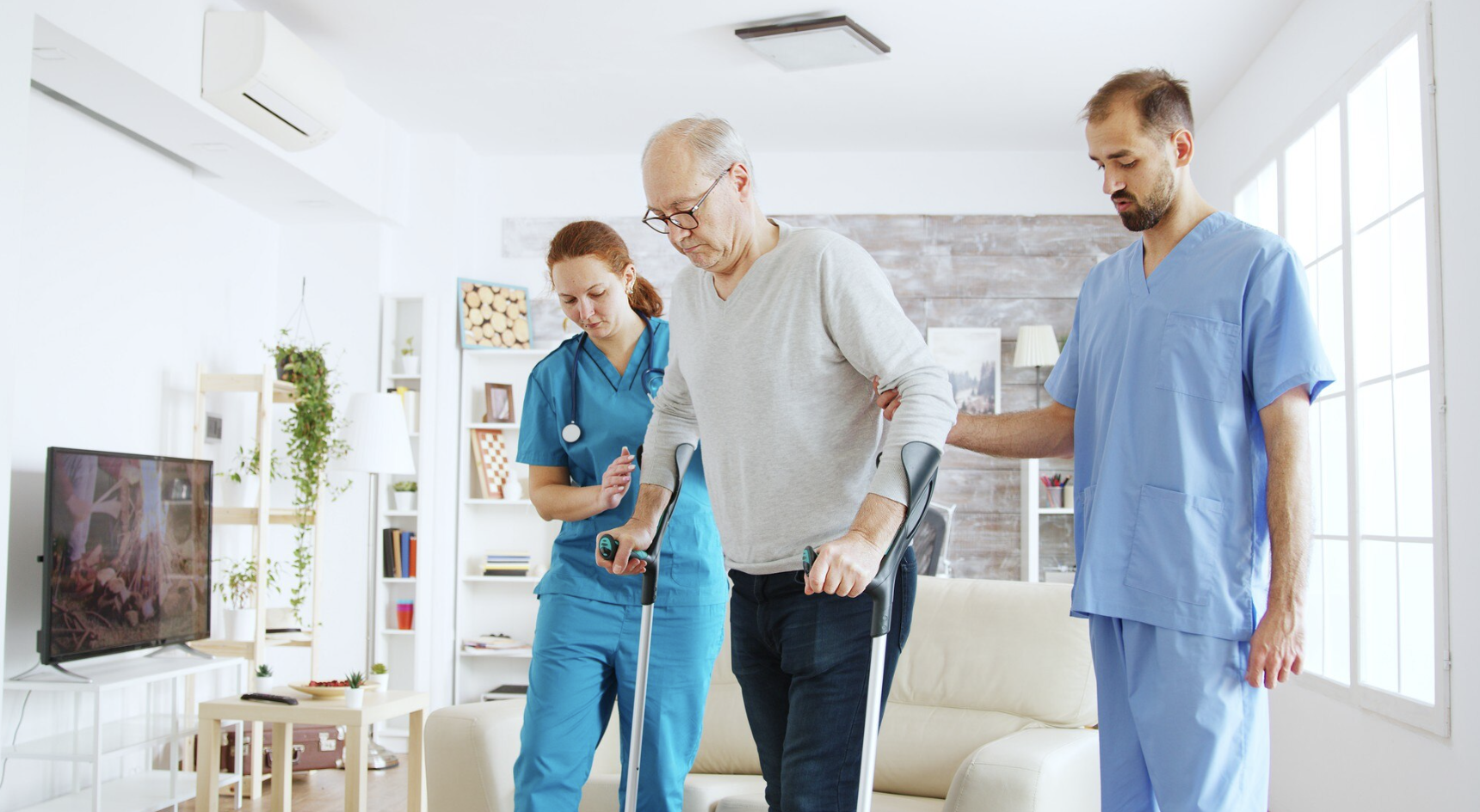
Staying active becomes more important with age. However, safety matters just as much as movement. Therefore, seniors need exercises that protect joints and balance. Indoor walking for seniors meets these needs perfectly.
This low impact activity supports longevity and daily independence. Moreover, it fits easily into any lifestyle or living space. Even better, it requires no expensive equipment. As a result, indoor walking remains accessible to almost everyone.
Below, explore how indoor walking supports long term health. Additionally, learn how to start and stay consistent.
Understanding Indoor Walking for Seniors
Indoor walking means walking inside controlled spaces. These spaces include homes, halls, or community centers. Unlike outdoor walking, indoor routes reduce fall risks. Therefore, seniors stay protected from uneven ground.
The weather never becomes an obstacle indoors. Consequently, routines stay consistent year round. Lighting, flooring, and temperature remain predictable. Thus, confidence improves with every step.
Indoor walking also allows flexible pacing. Seniors can slow down or rest easily. Because of this, comfort and safety are prioritized.
Why Low Impact Exercise Supports Longevity
Low impact exercise protects aging joints. At the same time, it keeps muscles active. Walking gently strengthens bones without strain. Therefore, mobility improves steadily over time.
Additionally, low impact movement supports heart health. Blood circulation improves with regular walking. As a result, energy levels rise naturally. Fatigue becomes less common during daily tasks.
Consistency matters more than intensity. Thus, indoor walking fits long term health goals. Over time, it supports independence and confidence.
Key Health Benefits of Indoor Walking
Indoor walking delivers many physical benefits. First, it strengthens the cardiovascular system. As a result, heart function remains efficient.
Balance also improves through regular steps. Therefore, the risk of falls decreases. Muscle coordination becomes more reliable.
Indoor walking also boosts joint flexibility. Gentle movement keeps joints lubricated. Consequently, stiffness reduces noticeably.
Mental health benefits appear as well. Walking releases mood boosting endorphins. Thus, stress and anxiety levels drop.
Social benefits may also develop. Walking with others builds connection. As a result, isolation becomes less likely.
Indoor Walking and Improved Daily Energy
Energy often declines with age. However, regular movement reverses this trend. Indoor walking improves oxygen flow. Therefore, cells produce energy more efficiently.
Daily chores become easier to manage. Stairs and standing feel less tiring. Consequently, confidence grows with strength.
Better sleep also follows regular walking. Sleep quality improves with routine movement. As a result, mornings feel more refreshing.
Creating a Safe Indoor Walking Space
Safety begins with proper preparation. First, clear walking paths of obstacles. Loose rugs should be removed immediately.
Choose supportive, non slip footwear. Shoes should fit comfortably and securely. Therefore, foot strain stays minimal.
Adequate lighting improves visibility. Bright spaces reduce missteps and hesitation. Thus, confidence increases during walks.
Use handrails or walls if needed. Support adds stability during longer sessions.
How to Start an Indoor Walking Routine
Starting requires only small steps. Begin with short sessions daily. Ten minutes works well initially.
Gradually increase the time each week. Progress builds strength without overwhelm. Therefore, motivation stays high.
Warm up before walking. Gentle stretches prepare muscles safely. Afterward, cool down to relax joints.
Music or audiobooks add enjoyment. Entertainment makes time pass quickly. As a result, consistency improves naturally.
Staying Motivated for Long Term Success
Motivation ensures lasting results. Setting simple goals helps greatly. Weekly targets provide clear direction.
Tracking progress keeps habits visible. Notebooks or apps work well. Therefore, achievements feel rewarding.
Walking with friends adds accountability. Group walks increase enjoyment. Social support strengthens commitment.
Celebrate milestones regularly. Small rewards encourage persistence. Thus, positivity fuels progress.
Indoor Walking as a Daily Wellness Habit
Indoor walking fits any schedule. Morning, afternoon, or evening works. Flexibility encourages daily practice.
Consistency builds lifelong benefits. Each step supports stronger health. Therefore, walking becomes a wellness ritual.
Over time, indoor walking shapes routines. Movement blends seamlessly into life. As a result, health improves without pressure.
Step Forward Toward a Healthier Future
Indoor walking for seniors offers lasting value. It supports strength, balance, and mental clarity. Most importantly, it promotes longevity safely.
This simple activity transforms daily life. Small steps lead to meaningful change. Therefore, every walk becomes an investment.
Start today within your space. Move comfortably and confidently. Your journey toward lifelong vitality begins now.