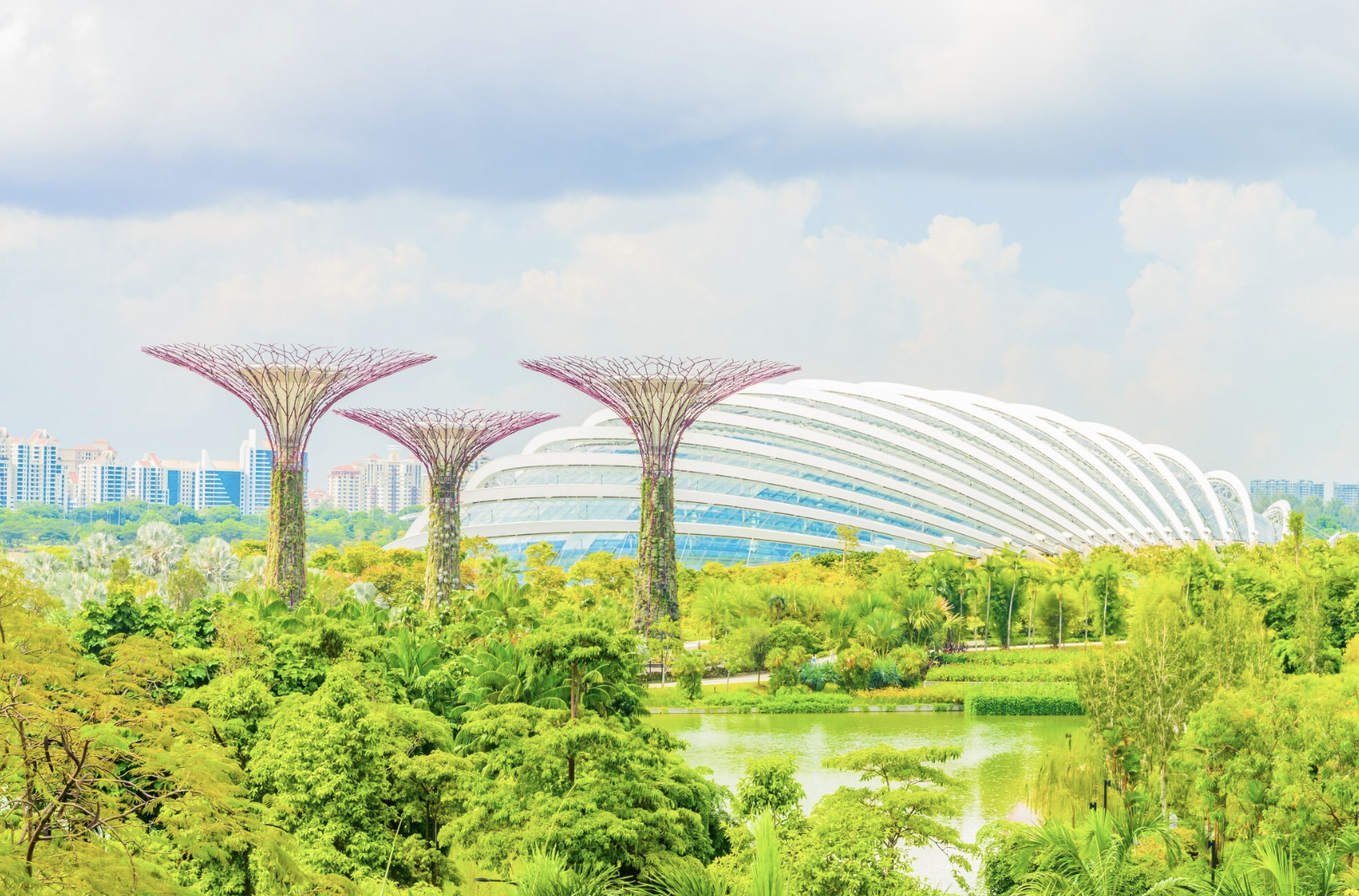
Singapore’s Green Plan 2030 is a long-term national roadmap aimed at shaping a more sustainable, resilient, and liveable nation. It focuses on protecting the environment, reducing carbon emissions, expanding green spaces, and encouraging sustainable habits across society.
As a small, highly urbanised country, Singapore must carefully balance economic progress with environmental protection and social well-being. The Green Plan 2030 addresses this challenge by promoting efficient resource use, strengthening climate resilience, and improving overall quality of life for future generations.
What Is the Singapore Green Plan 2030?
Origins and Evolution
The Green Plan 2030 builds on decades of environmental planning and sustainability initiatives in Singapore. Earlier policies focused on clean water, waste management, and energy efficiency. Over time, these efforts evolved into a unified national strategy that integrates sustainability into every sector of society.
This plan represents a coordinated approach involving government agencies, businesses, communities, and individuals, ensuring long-term environmental responsibility.
Vision and Core Goals
The primary goal of the Singapore Green Plan 2030 is to create a low-carbon, climate-resilient nation. Key objectives include:
- Reducing greenhouse gas emissions
- Expanding renewable and clean energy sources
- Protecting biodiversity and natural ecosystems
- Encouraging sustainable lifestyles
- Supporting green innovation and economic growth
Together, these goals guide Singapore toward a more sustainable future.
Building a Sustainable Future: Key Pillars of Singapore’s Green Plan 2030
Overview of the Pillars
The Green Plan is structured around five interconnected pillars. Each pillar addresses a specific area of sustainability, ensuring a holistic and balanced approach to environmental action.
Key Initiatives Under Each Pillar
1. City in Nature
This pillar focuses on integrating nature into urban living. Efforts include expanding parks, enhancing green corridors, and protecting biodiversity to create healthier living environments.
2. Sustainable Living
This pillar encourages households and businesses to adopt eco-friendly practices, such as reducing waste, conserving energy, and choosing sustainable products.
3. Energy Reset
Energy Reset aims to lower carbon emissions by improving energy efficiency and increasing the use of low-carbon and renewable energy sources.
4. Green Economy
This pillar supports innovation, green industries, and sustainable jobs. It positions Singapore as a leader in green technology and environmentally responsible business practices.
5. Resilient Future
The Resilient Future pillar strengthens climate adaptation strategies, focusing on infrastructure, coastal protection, and long-term environmental resilience.
Why the Green Plan 2030 Matters
Benefits for Citizens
The Green Plan enhances daily life by improving air quality, increasing access to green spaces, and promoting healthier lifestyles. Citizens are empowered to make environmentally responsible choices that benefit both their communities and the planet.
Economic Opportunities
Sustainability drives economic growth by attracting green investments and creating new job opportunities. The transition to a green economy strengthens Singapore’s competitiveness and supports long-term economic stability.
Global Environmental Leadership
Through the Green Plan 2030, Singapore contributes to global climate action by reducing emissions and sharing sustainable solutions. The plan demonstrates the nation’s commitment to international environmental goals and cooperation.
How the Green Plan 2030 Is Implemented
Stakeholder Collaboration
Successful implementation depends on collaboration among government bodies, private companies, research institutions, and the public. Each group plays a vital role in turning policy goals into real-world action.
Phased Timeline
The Green Plan follows a structured timeline with clear milestones leading up to 2030. Regular reviews ensure progress remains on track and policies are adjusted when necessary.
Measuring Progress
Key performance indicators include carbon reduction levels, renewable energy adoption, air quality improvements, and growth in green industries. Continuous monitoring ensures transparency and accountability.
Challenges and Practical Solutions
Common Challenges
Implementing large-scale sustainability initiatives can face obstacles such as funding constraints, regulatory complexity, technological limitations, and resistance to behavioural change.
Strategies to Address These Issues
Driving sustainability requires a mix of approaches, ranging from supportive policies and public‑private collaborations to investments in eco‑friendly technologies and active community involvement. Alongside these efforts, education and awareness initiatives play a key role in inspiring lasting, responsible habits.
The Role of Public Participation
Individual Action Matters
Every individual can contribute to sustainability by conserving energy, reducing waste, using public transport, and supporting eco-friendly products and services.
Importance of Community Engagement
Active public involvement strengthens trust, improves policy outcomes, and ensures shared responsibility. When communities work together, sustainable change becomes more achievable and long-lasting.
Conclusion
Singapore’s Green Plan 2030 is more than an environmental policy; it is a national commitment to sustainable development. By integrating environmental protection, economic growth, and social well-being, the plan lays the foundation for a greener, more resilient future. With collective effort from government, businesses, and citizens, Singapore is well-positioned to lead by example in global sustainability.