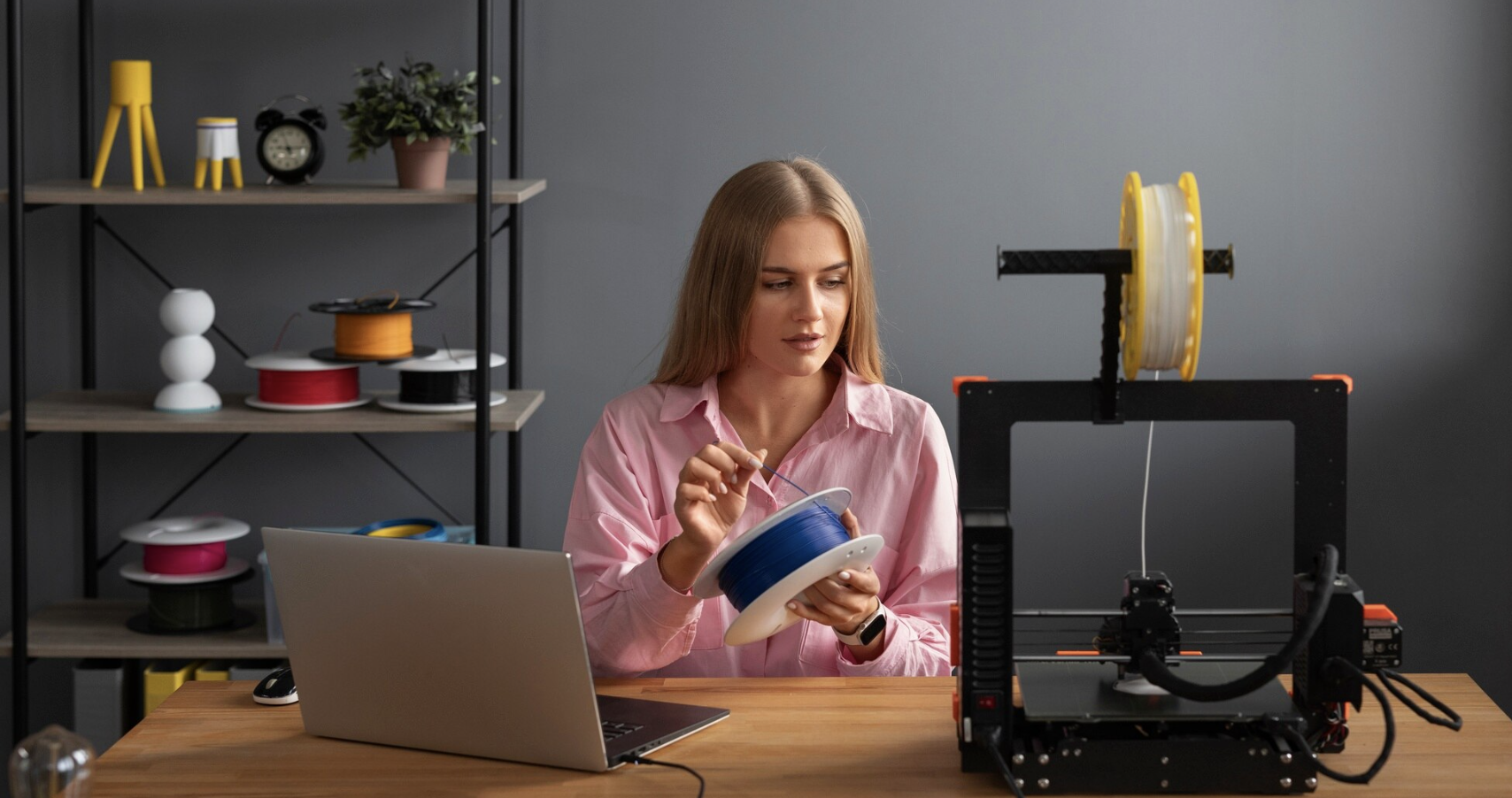
Color 3D printing is transforming cosplay and prop making at a rapid pace. Makers no longer see printing as only the first step. Instead, printing now delivers near-finished results directly from the machine. As a result, workflows are becoming faster, cleaner, and more accessible. Moreover, creativity is expanding without added complexity.
Why Traditional 3D Printed Props Demand Endless Labor
For years, cosplay printing followed a punishing routine. A finished print always looked dull and unfinished. Therefore, sanding became unavoidable and extremely time-consuming. Afterward, filler primer entered the process repeatedly. Then, makers sanded again until the surfaces felt smooth.
Next, painting introduced new challenges and risks. Masking required patience and precision. Unfortunately, paint bleed often ruins sharp edges. Additionally, fumes demanded proper ventilation and space. Consequently, many creators felt overwhelmed and discouraged.
Most importantly, this workflow consumed valuable creative energy. Thus, many promising projects never reached completion.
The Rise of Finished From the Printer Creations
Color 3D printing is changing expectations across the cosplay community. Instead of raw, grey models, prints now emerge fully colored. As a result, the printer acts like a small-scale factory. Every filament swap adds detail automatically. Therefore, makers gain precision without manual effort.
This shift reduces reliance on paint-based finishing. Consequently, creators focus more on design and assembly. Meanwhile, accuracy improves with every printed layer.
Eliminating Masking Errors Through Color Accuracy
Masking tape has long frustrated prop makers. Sharp lines are difficult to achieve consistently. Even careful work often produces uneven edges. However, color printing removes this struggle entirely.
Each color is printed as part of the object itself. Thus, separation lines remain clean and permanent. When a logo is printed in red, the color remains consistent across the entire surface. Even scratches cannot remove embedded color.
Therefore, props look manufactured instead of handmade. This improvement dramatically raises overall quality.
Embedding Logos, Text, and Symbols With Ease
Detailed markings define professional-looking props. Small warning labels and symbols add realism instantly. Previously, painting tiny details required advanced skill. Now, slicer software handles these tasks digitally.
Creators assign colors directly to model sections. Consequently, text appears crisp and readable. This precision benefits sci-fi gear and fantasy armor alike. Moreover, consistency improves across multiple prints.
Using Filament Texture to Simulate Real Materials
Color printing also introduces texture realism. Different filaments reflect light in unique ways. Glossy materials mimic metal surfaces convincingly. Meanwhile, matte filaments resemble rubber or fabric.
By combining filaments, props gain visual depth. For example, a sword handle looks rubberized instantly. At the same time, the blade appears metallic. Therefore, paint becomes optional rather than required.
This material contrast tricks the eye effectively. As a result, props feel more authentic and immersive.
Saving Time During High-Pressure Convention Deadlines
Convention deadlines create intense pressure for cosplayers. The final week often involves rushed finishing work. Mistakes increase when exhaustion takes over. Humidity and dust frequently ruin paint jobs.
Color 3D printing shifts effort into passive production time. The printer works continuously without supervision. Meanwhile, makers sleep, sew, or plan accessories. Although prints take longer, labor time drops significantly.
Thus, projects finish earlier and with fewer errors. This advantage proves invaluable during tight schedules.
Reducing Physical Strain and Workspace Requirements
Traditional post processing demands dedicated environments. Sanding produces dust and debris everywhere. Painting requires ventilation and protective gear. Not everyone has access to such spaces.
Color printing simplifies home fabrication dramatically. Minimal cleanup is required afterward. Therefore, small apartments become viable workshops. This convenience attracts new creators rapidly.
Making Prop Creation More Accessible for Beginners
Many talented designers lack painting confidence. They excel at modeling but struggle with finishing. Previously, this gap limited their final results. Now, digital color assignment solves that problem.
Mistakes in software are easily undone. Physical repainting, however, remains unforgiving. Therefore, beginners feel more confident experimenting. Creativity flourishes without fear of ruining prints.
As a result, more people join the cosplay community.
Durability Advantages Over Painted Props
Painted surfaces wear down over time. Scratches reveal the base plastic quickly. In contrast, color-printed props maintain consistency.
Because pigment runs through the material, damage remains subtle. Thus, props last longer under conventional use. Frequent handling becomes less risky overall. Durability improves without extra coatings.
How Color Printing Is Setting a New Industry Standard
Expectations within cosplay are evolving rapidly. Unpainted grey props now feel outdated. Finished prints set a higher baseline standard. Therefore, efficiency and quality go hand in hand.
Professional prop makers still enhance realism manually. However, entry-level results now look impressive instantly. This balance benefits hobbyists and professionals alike.
The Future of Cosplay and Prop Fabrication
Color 3D printing continues to advance every year. Machines grow more affordable and reliable. Meanwhile, filament options expand constantly. As technology improves, creative limits shrink further.
The post processing era is not fully gone. However, excessive sanding is no longer mandatory. Ultimately, color printing restores joy to making. Creators spend more time imagining and less time grinding.