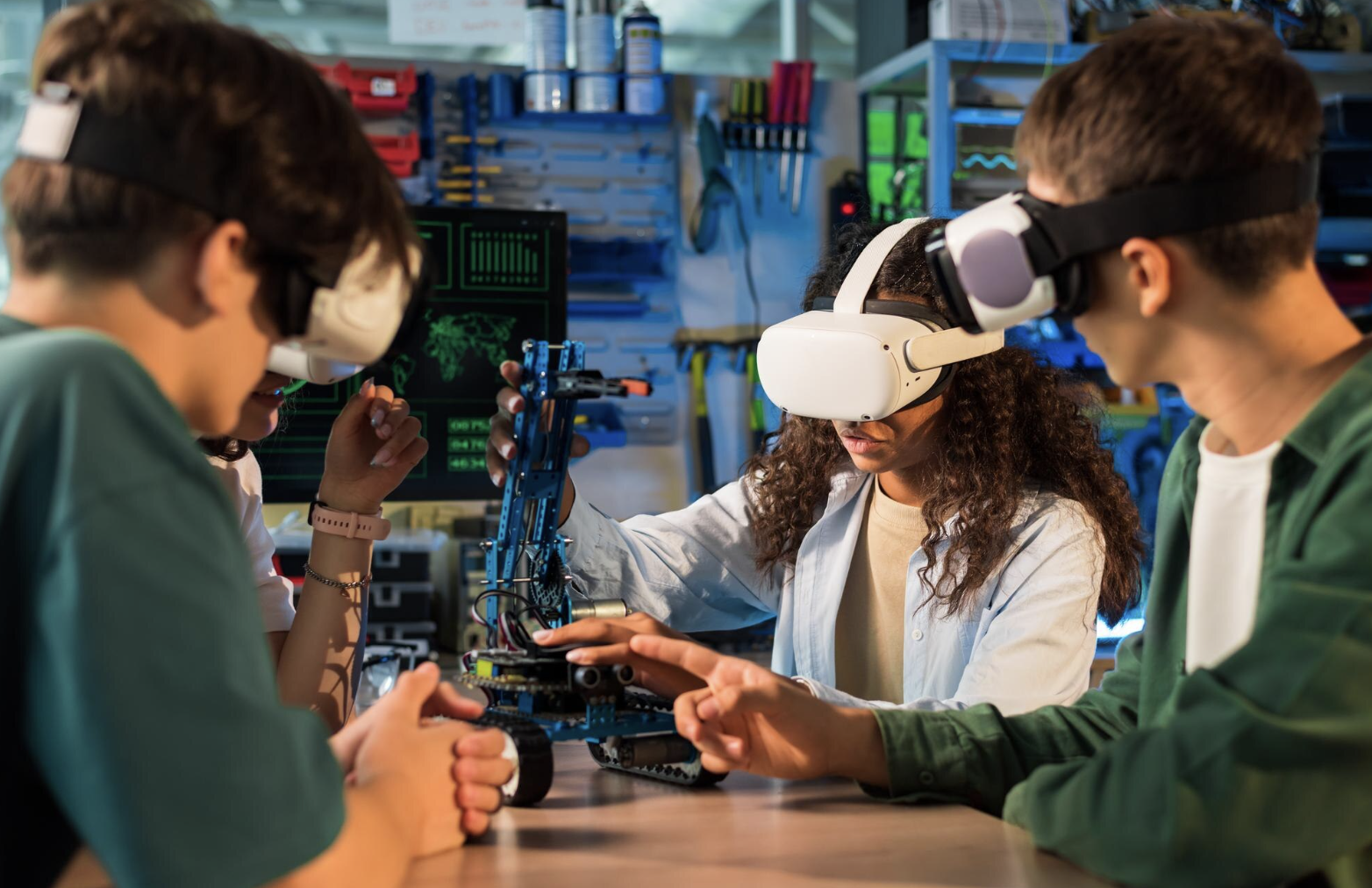
Understanding Artificial Intelligence Technology
Artificial intelligence technology shapes modern digital experiences across industries. It enables systems to perform tasks once handled by human thinking. Moreover, this technology processes information at a remarkable speed. As a result, businesses gain accuracy and efficiency. Therefore, adoption continues to accelerate worldwide. Additionally, organizations rely on intelligent systems for daily operations. Consequently, innovation cycles become faster and smarter.
Core Principles Behind Intelligent Systems
Artificial intelligence technology operates through data driven learning. It uses algorithms that identify patterns and relationships. Furthermore, models improve performance through continuous training. Hence, outcomes grow more precise over time. Meanwhile, automation reduces repetitive manual effort. As a result, teams focus on strategic activities. Likewise, decision making becomes more consistent.
Key Components of Artificial Intelligence Technology
Artificial intelligence technology includes machine learning foundations. It also integrates neural networks inspired by biological processes. Moreover, natural language processing supports human interaction. Therefore, systems understand text and speech efficiently. Additionally, computer vision enables image recognition tasks. Consequently, visual data gains actionable meaning. Furthermore, predictive analytics supports planning accuracy.
How Artificial Intelligence Technology Works
Artificial intelligence technology begins with data collection. Then, systems clean and structure information carefully. Afterward, algorithms analyze patterns and probabilities. Moreover, models generate outputs based on learned rules. As a result, predictions guide real time actions. Therefore, performance improves with feedback loops. Meanwhile, monitoring ensures reliability and trust.
Business Applications of Artificial Intelligence Technology
Artificial intelligence technology supports marketing personalization efforts. It also enhances customer service through smart assistants. Furthermore, finance teams detect anomalies quickly. Hence, risk management improves significantly. Additionally, supply chains gain forecasting accuracy. Consequently, logistics costs decline steadily. Likewise, healthcare benefits from diagnostic support tools.
Artificial Intelligence Technology in Everyday Life
Artificial intelligence technology powers recommendation engines online. It also supports navigation and traffic optimization. Moreover, smart devices respond to voice commands. Therefore, convenience increases for daily users. Additionally, security systems identify unusual behaviour. As a result, safety measures are strengthened. Meanwhile, entertainment platforms tailor viewing experiences.
Benefits of Artificial Intelligence Technology
Artificial intelligence technology improves operational efficiency. It also reduces human error across processes. Furthermore, scalability becomes easier for growing organizations. Hence, businesses handle larger workloads smoothly. Additionally, insights emerge from complex datasets. Consequently, leaders make informed choices. Likewise, productivity rises across departments.
Challenges Facing Artificial Intelligence Technology
Artificial intelligence technology requires quality data sources. However, biased inputs can affect outcomes. Therefore, governance frameworks remain essential. Moreover, ethical considerations demand careful planning. Additionally, implementation costs challenge smaller firms. As a result, adoption strategies need to be balanced. Meanwhile, skill gaps require continuous learning.
Future Trends in Artificial Intelligence Technology
Artificial intelligence technology evolves toward adaptive intelligence. It will support autonomous decision processes. Furthermore, integration with edge computing expands capabilities. Hence, response times become faster. Additionally, collaboration between humans and systems deepens. Consequently, workplaces transform gradually. Likewise, innovation ecosystems grow stronger.
Why Artificial Intelligence Technology Matters Today
Artificial intelligence technology drives competitive advantage globally. It supports sustainable growth strategies. Moreover, digital transformation relies on intelligent solutions. Therefore, long term relevance depends on adoption. Additionally, customer expectations continue rising. As a result, smart experiences become essential. Finally, artificial intelligence technology defines the future of progress.