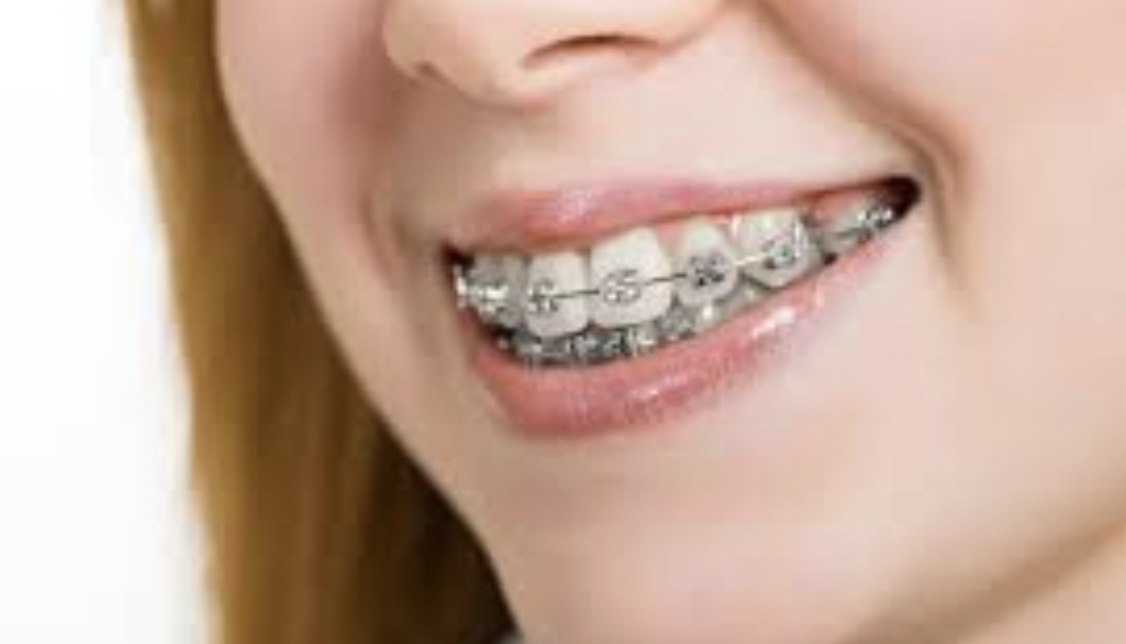
Understanding the Value of Family Orthodontic Care
Family orthodontic care strengthens dental health while building emotional security. Parents stay involved during every consultation and treatment step. Teens feel supported because decisions happen together. Moreover, shared planning reduces confusion and builds lasting confidence.
Straight alignment improves appearance and protects long-term oral function. Therefore, early attention prevents severe complications later. Families also avoid expensive procedures with timely guidance. Furthermore, professional supervision ensures healthy jaw development and proper structure.
Early intervention supports daily comfort and emotional balance. As a result, teens gain confidence in conversations and social events. Family participation also encourages cooperation during treatment. Consequently, outcomes improve faster and remain stable longer.
Sign One: Your Teen Avoids Smiling or Social Expression
Reluctance to smile often signals deeper emotional discomfort. Teens may hide expressions during photos or conversations. Additionally, they may cover their mouth while laughing. Such behavior often reflects embarrassment about dental alignment.
Social withdrawal sometimes follows appearance concerns. Therefore, teens may avoid group interactions or public speaking. Self-criticism may also increase over time. Consequently, confidence gradually weakens without intervention.
Family orthodontic care restores comfort and self-assurance. Parents provide emotional support during professional visits. Meanwhile, orthodontists explain progress clearly and respectfully. This teamwork builds trust and emotional strength.
Improved alignment encourages open communication and genuine smiles. As a result, teens regain confidence in school and social environments. Positive change also strengthens mental well-being.
Sign Two: Difficulty Chewing, Biting, or Speaking Clearly
Misaligned teeth often create daily functional challenges. Teens may struggle while chewing tougher foods. Jaw fatigue may also appear after meals. Consequently, discomfort affects nutrition and eating habits.
Speech clarity may also decline due to improper positioning. Certain sounds become harder to pronounce correctly. Therefore, communication confidence may decrease gradually. Early care prevents long-term complications.
Family orthodontic care evaluates bite efficiency carefully. Specialists observe chewing patterns and speech clarity. Moreover, parents share observations from daily routines. This collaboration improves treatment precision.
Correct positioning restores comfort during meals and conversations. As a result, teens experience improved nutrition and communication ability. Proper alignment also prevents excessive joint strain.
Sign Three: Visible Crowding, Gaps, or Jaw Discomfort
Crowded teeth or visible gaps signal developing alignment problems. These issues often worsen during growth stages. Jaw soreness may also appear frequently. Additionally, clicking sounds indicate structural imbalance.
Headaches sometimes result from uneven pressure distribution. Therefore, discomfort spreads beyond the mouth area. Tooth wear may also increase due to improper contact. Consequently, long-term damage becomes more likely.
Family orthodontic care addresses structural concerns early. Orthodontists guide growth while bones remain adaptable. Parents participate actively in treatment planning. This partnership improves overall success rates.
Early correction prevents severe complications in adulthood. Furthermore, treatment duration often becomes shorter. Preventive care also protects jaw health and stability.
Sign Four: Hygiene Challenges Despite Daily Brushing
Crowded positioning makes cleaning difficult. Food particles remain trapped between tight spaces. Therefore, plaque buildup increases over time. Gum inflammation may also appear quickly.
Persistent bad breath often signals hygiene difficulties. Bleeding during brushing also indicates early gum irritation. Consequently, untreated problems may lead to decay or infection.
Family orthodontic care improves accessibility for cleaning. Straight positioning allows easier brushing and flossing. Parents encourage consistent hygiene routines at home. This support strengthens long-term oral health.
Improved alignment reduces infection risk significantly. As a result, teens maintain healthier teeth and gums. Preventive care also reduces future dental costs.
Benefits of Early Family Orthodontic Care for Teens
Early orthodontic care provides multiple long-term advantages. First, jaw development improves during growth stages. Second, treatment complexity reduces significantly. Third, emotional confidence increases naturally.
Family involvement strengthens communication and trust. Teens feel safer when parents participate actively. Moreover, orthodontists provide personalized treatment strategies. This coordinated approach improves efficiency.
Preventive care reduces future restorative procedures. Proper alignment protects teeth from excessive wear. Additionally, a balanced structure improves overall comfort. Long-term stability becomes easier to maintain.
Emotional benefits remain equally important. Teens feel confident during social interactions. Positive self-image improves academic and personal experiences. Therefore, early care supports both physical and emotional health.
When to Schedule an Orthodontic Consultation
Parents should observe behavioral and physical warning signs. Early consultation prevents worsening structural issues. Moreover, professional evaluation identifies hidden concerns quickly.
During consultation, specialists examine alignment and jaw development. They also recommend personalized treatment options. Parents receive clear timelines and expectations. This transparency improves decision-making confidence.
Prompt orthodontic care safeguards both proper dental function and a person’s emotional well-being. Teens experience improved comfort and self-confidence. Families also gain reassurance through professional guidance.
Conclusion: Family Orthodontic Care Protects Health and Confidence
Family orthodontic care strengthens oral health and emotional stability. Early intervention prevents severe complications later. Parents and teens work together toward healthier outcomes.
Professional guidance improves alignment, comfort, and hygiene. Consequently, teens gain confidence in daily life. Preventive care also reduces future treatment costs.
Strong family support improves treatment success significantly. Teens feel empowered throughout the process. Healthy smiles support confidence, comfort, and lifelong well-being.