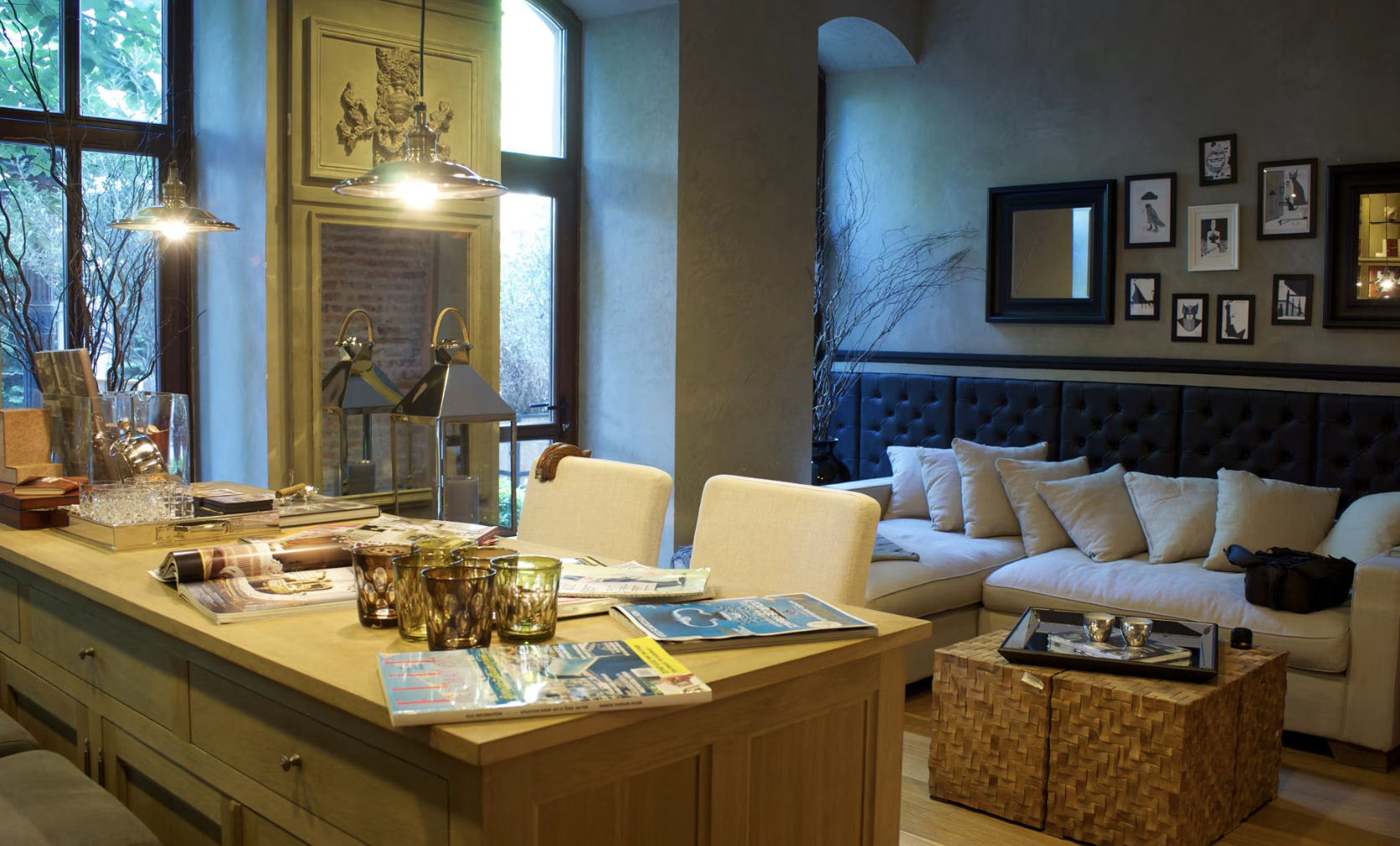
Residential design continues to evolve with remarkable speed. Homeowners now expect efficiency, comfort, and adaptability. Consequently, architects rethink traditional layouts and materials. Modern dwellings now combine sustainability, technology, and lifestyle focused planning.
Moreover, designers focus on solutions that reduce environmental impact. As a result, contemporary houses deliver smarter and healthier living experiences.
Sustainable Architecture and Eco Friendly Materials
Sustainability now guides many construction decisions. Builders increasingly choose materials with lower environmental impact. Recycled wood, reclaimed steel, and low carbon concrete appear more often.
Furthermore, passive solar design improves interior comfort naturally. Large windows capture daylight and warmth during colder seasons. Consequently, households rely less on artificial lighting.
Green roofs also gain attention in residential projects. These living surfaces add insulation and visual appeal. Additionally, rooftop vegetation absorbs rainwater and reduces urban heat.
Rainwater collection systems support responsible water management. Meanwhile, solar panels convert sunlight into clean electricity. Therefore, many households now reduce long term utility expenses.
Minimal waste construction also shapes modern development strategies. Builders carefully plan material usage to prevent unnecessary debris.
Smart Home Technology Reshaping Everyday Living
Digital innovation strongly influences modern residences. Smart systems simplify daily tasks and increase security. Homeowners now control devices directly through mobile applications.
For example, intelligent lighting adjusts brightness automatically. Similarly, connected thermostats maintain ideal indoor temperature. Consequently, households reduce energy consumption without sacrificing comfort.
Voice controlled assistants continue expanding their capabilities. These tools manage reminders, appliances, and entertainment systems. Therefore, residents experience greater convenience throughout the day.
Smart security devices also strengthen home protection. Motion sensors, cameras, and automated locks improve monitoring. Meanwhile, remote alerts allow immediate responses to unusual activity.
Additionally, integrated platforms link every device inside the residence. This coordination creates an efficient digital ecosystem.
Open Floor Plans and Adaptable Living Spaces
Open layouts remain popular among homeowners worldwide. These designs remove barriers between key activity zones. Therefore, families interact easily across shared areas.
Kitchens now function as central gathering points. Cooking, dining, and conversation often occur within the same space. Consequently, homes feel more welcoming and lively.
Flexible spaces also increase functional value. Movable partitions allow quick layout adjustments. Similarly, modular furniture supports different activities.
Urban housing particularly benefits from adaptable interiors. Limited square footage requires creative space management. Therefore, residents maximize every available meter.
Moreover, flexible areas encourage personal expression. People redesign rooms based on changing needs or hobbies.
Advanced Heating and Cooling Innovations
Comfort remains a primary priority in residential design. Modern heating technology improves both efficiency and aesthetics. Underfloor heating provides consistent warmth throughout each room.
Unlike traditional radiators, radiant floors distribute heat evenly. Consequently, residents experience fewer temperature fluctuations.
Designers also gain greater interior freedom. Without bulky heaters, walls remain clean and uncluttered.
Energy efficient cooling systems complement these heating solutions. Smart air conditioning adapts to environmental changes automatically. Meanwhile, connected climate controls respond to user preferences.
As a result, households maintain balanced indoor temperatures year round. These improvements also reduce overall energy demand.
Natural Light and Ventilation Enhancing Living Quality
Architects increasingly prioritize daylight within residential projects. Large windows invite sunlight into interior areas. Consequently, rooms appear brighter and more spacious.
Skylights also introduce additional illumination from above. This strategy reduces reliance on electrical lighting.
Natural airflow remains equally important. Operable windows promote continuous air circulation indoors. Therefore, interiors feel fresher and healthier.
Cross ventilation techniques enhance cooling during warmer months. Meanwhile, improved airflow maintains better air quality.
Designers frequently combine these elements with nature focused layouts. Indoor spaces connect visually with outdoor greenery. As a result, occupants feel closer to natural surroundings.
Health Focused Residential Design
Wellness now plays a major role in home planning. Designers consider both physical and mental health benefits.
Low toxicity building materials reduce harmful emissions indoors. Consequently, indoor air remains cleaner and safer.
Air filtration systems also improve breathing conditions. These solutions remove dust, allergens, and pollutants.
Dedicated wellness zones increasingly appear in residential layouts. Exercise rooms encourage regular movement. Similarly, meditation corners support relaxation.
Outdoor gardens further strengthen lifestyle balance. Residents enjoy fresh air while escaping daily stress. Therefore, homes become restorative environments.
This holistic perspective redefines residential comfort. Living spaces now support healthy routines naturally.
Minimalist Interiors and Functional Simplicity
Minimalist design continues shaping modern interiors. Clean lines and uncluttered spaces dominate contemporary aesthetics.
Homeowners increasingly prefer calm and organized environments. Consequently, unnecessary decoration disappears from many interiors.
Natural materials enhance both beauty and durability. Wood, stone, and glass appear frequently in modern construction.
Neutral color palettes strengthen the minimalist atmosphere. These shades also allow flexible personalization.
Additionally, simplified interiors improve maintenance efficiency. Residents spend less time managing clutter.
Minimalism also encourages mindful consumption habits. People invest in fewer but higher quality items. Therefore, living environments feel peaceful and purposeful.
Conclusion
Residential architecture continues evolving through innovation and sustainability. Designers combine technology, efficiency, and wellness into cohesive environments.
Consequently, modern residences offer more than simple shelter. They support productivity, comfort, and environmental responsibility.
Furthermore, smart systems and flexible spaces improve daily routines. Natural light, clean materials, and efficient climate control strengthen well being.
These trends clearly shape the future of housing. As design advances continue, homes will become even smarter and healthier places to live.