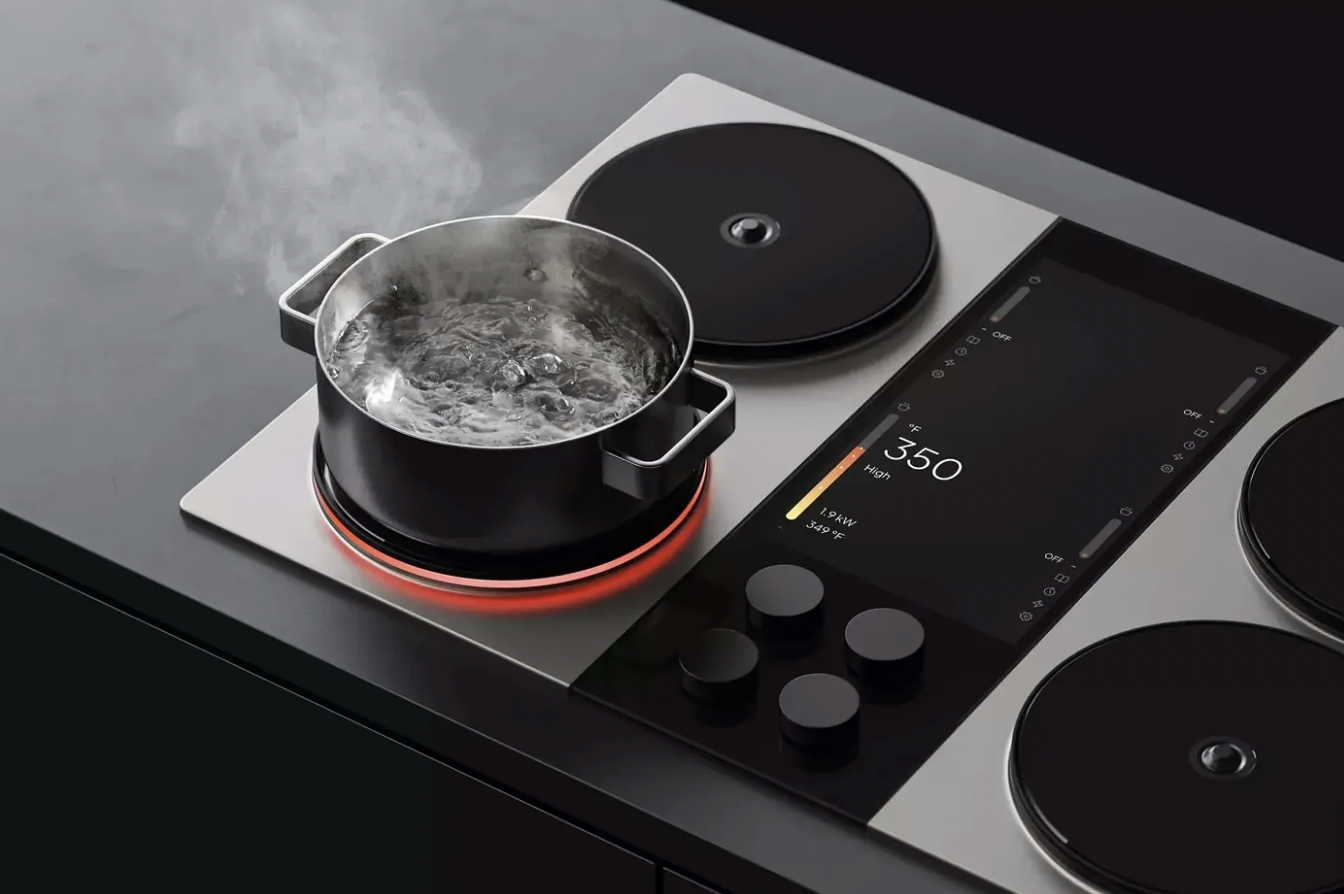
Introduction
The heart of the home often beats in the kitchen, and the cooking surface you choose dictates the rhythm of daily meal preparation. Today, homeowners are presented with a pivotal choice between two dominant technologies: induction and traditional electric. Both offer sleek, glass topped aesthetics and reliable performance, yet they deliver profoundly different culinary experiences. Making a selection is not merely about picking an appliance; it is about defining your cooking workflow, safety standards, and energy consumption habits. This guide moves beyond basic specifications to explore the practical implications of each technology, empowering you to make a confident, well informed decision that enhances your kitchen for years to come.
Understanding Induction Technology
Induction cooking represents a leap forward in electromagnetic science. Unlike conventional methods that generate heat through resistance, induction utilizes a magnetic field to directly excite the molecules within compatible cookware. The cooktop surface itself remains relatively cool to the touch, as heat is generated solely within the pot or pan sitting upon it. This direct energy transfer results in immediate responsiveness and remarkable efficiency.
The core mechanism involves a copper coil beneath the glass ceramic surface. When an alternating electric current passes through this coil, it creates a magnetic field. This field penetrates the base of ferromagnetic cookware, inducing eddy currents that generate friction and, consequently, heat. Because no intermediate heating element is involved, energy loss is minimized, and the cooking vessel heats up with astonishing speed.
The Core Advantages of Induction
The benefits of this magnetic cooking method extend far beyond simple speed. It offers a suite of features that cater to the modern cook’s demands for precision, safety, and cleanliness.
- Unmatched Heating Velocity: Induction boils water significantly faster than gas or traditional electric, slashing meal preparation times.
- Superior Energy Efficiency: Since heat is generated directly in the cookware, very little energy is wasted heating the surrounding air, leading to lower utility bills.
- Enhanced Safety Protocols: The surface stays cool, drastically reducing the risk of accidental burns, especially in households with curious children.
- Precision Temperature Control: The ability to make instantaneous adjustments allows for delicate tasks like simmering sauces or melting chocolate without scorching.
- Effortless Cleanup: Spills and splatters do not bake onto a hot surface, making maintenance a simple wipe down.
Demystifying Traditional Electric Cooktops
Electric cooktops, specifically the smooth top radiant variety, have been a kitchen staple for decades. They operate using heating elements concealed beneath a glass or ceramic surface. When electricity flows through these elements, they glow red hot, transferring thermal energy to the cookware through direct contact and radiant heat.
This technology is familiar and widely understood. It offers a consistent and steady heat source that many home cooks find reliable for everyday tasks. While the surface does get hot during use and retains heat after being turned off, it remains a popular choice due to its straightforward operation and compatibility with a vast range of cookware.
Key Benefits of Electric Cooking Surfaces
Despite the rise of newer technologies, electric cooktops hold their own with several distinct advantages that appeal to a broad audience.
- Cost Effective Entry Point: The initial purchase and installation cost for electric models is generally lower than that of induction units.
- Universal Cookware Compatibility: Almost any type of pot or pan can be used, from aluminum and copper to glass and ceramic, without the need for magnetic bases.
- Simple Installation Requirements: Standard electrical outlets are typically sufficient, avoiding the need for dedicated circuits often required by high power induction ranges.
- Steady, Radiant Heat: The heated elements provide a consistent warmth that is well suited for tasks requiring prolonged, steady temperature, such as slow simmering stews.
- Low Maintenance Complexity: The lack of moving parts and advanced electronics often translates to fewer potential repair issues over the appliance’s lifespan.
Comparative Analysis: Induction vs. Electric
To make an informed choice, it is essential to examine how these two technologies stack up across critical performance categories.
Heat Response and Cooking Speed
Induction technology delivers heat directly to the cookware, resulting in near instantaneous temperature changes. Bringing a pot of water to a boil happens in a fraction of the time required by electric models. Electric cooktops rely on heating elements that must warm up and cool down gradually, leading to slower response times and potential lag when adjusting the heat.
Energy Consumption and Efficiency
Induction leads the way in energy efficiency. Studies show that induction cooktops can be up to 90 percent efficient, meaning most of the energy consumed is transferred directly to the food. Electric radiant cooktops are less efficient, typically around 74 percent, as a significant amount of heat is lost to the surrounding air and the cooktop surface itself.
Safety Features and Surface Temperature
With induction, the cooking surface remains cool except for the residual heat from the cookware, making it inherently safer. Electric cooktops, however, stay hot for a considerable time after being turned off, posing a burn risk if touched accidentally. The indicator lights on electric models are a helpful warning, but they do not eliminate the danger entirely.
Initial Investment and Long Term Costs
Electric cooktops generally have a lower upfront price tag. Induction models command a premium due to their advanced technology. However, the higher efficiency of induction can lead to savings on energy bills over time, potentially offsetting the initial cost difference for frequent cooks.
Cookware Requirements and Compatibility
This is a crucial differentiator. Induction requires cookware with a magnetic base, such as cast iron or certain stainless steel grades. If your current collection includes aluminum, copper, or glass pieces, you will need to invest in new pots and pans. Electric cooktops have no such restrictions, accepting virtually any material.
Selecting the Right Cooktop for Your Lifestyle
Your daily routine and cooking habits should guide your final decision.
The Case for Induction
Choose induction if you value speed above all else. It is ideal for busy professionals who need to get dinner on the table quickly after a long day. It is also the superior choice for culinary enthusiasts who demand precise control for techniques like searing or tempering. Families with young children will appreciate the added safety of a cool surface. Furthermore, if you are designing a modern, energy efficient kitchen, induction aligns perfectly with those goals.
The Case for Electric
Opt for an electric cooktop if budget is a primary constraint. It is an excellent solution for those who cook less frequently or have a diverse collection of non magnetic cookware they wish to retain. Its simplicity and familiarity make it a comfortable choice for traditional cooks or those who prefer a no fuss cooking experience. It also performs well in homes where a standard electrical outlet is the only available power source.
Real World Scenarios and User Experiences
Consider the experience of a busy parent who switches from electric to induction. The ability to boil pasta water in under three minutes transforms the evening rush, reducing stress and freeing up time. The easy cleanup of spills that never burn onto the surface adds another layer of convenience to an already hectic schedule.
Conversely, a retiree on a fixed income might find a new electric cooktop to be the perfect upgrade. It provides reliable performance for their favorite recipes without requiring a significant financial outlay or a change in their trusted cookware collection. The straightforward controls are easy to navigate, offering comfort and consistency.
The Importance of Brand Quality and Innovation
Regardless of the technology chosen, the quality of the appliance matters. Reputable brands invest in research and development to enhance durability, safety features, and user interface design. A well constructed cooktop will provide years of reliable service, whereas a poorly made model can lead to frustration and costly repairs.
Brands like Ciarra, for example, are focusing on integrating user friendly features and sleek designs that complement modern kitchens. When selecting an appliance, look for models with strong warranties, positive user reviews, and a track record of customer support. Investing in a quality brand ensures that your kitchen upgrade is a long term asset.
Maintenance and Care for Longevity
Proper care is essential for keeping any cooktop looking and performing its best.
Caring for Your Induction Cooktop
- Clean spills as soon as the surface cools to prevent staining.
- Use cookware with perfectly flat bottoms to ensure optimal contact and heating.
- Avoid dragging pots across the surface to prevent scratching the glass.
- Use recommended cleaning pads and solutions designed for glass ceramic surfaces.
Caring for Your Electric Cooktop
- Lift pots and pans rather than sliding them to avoid scratches.
- Wipe the surface regularly with a damp cloth to prevent grease buildup.
- Use a gentle, non abrasive cleaner specifically formulated for glass tops.
- Be mindful of sugary spills, which can etch the surface if not cleaned promptly.
Aesthetic Considerations for Modern Kitchens
Both induction and electric cooktops offer a minimalist, streamlined look that fits contemporary kitchen designs. The choice often comes down to subtle visual differences. Induction models frequently feature sleeker control interfaces, sometimes with touch sliders or digital displays that contribute to a futuristic aesthetic. Electric cooktops maintain a classic, clean appearance with simple dial or touch controls. Your personal style preference and the overall design theme of your kitchen will play a significant role in this aspect of the decision.
Evaluating Long Term Value and Return on Investment
When assessing value, look beyond the sticker price. Induction cooktops offer a higher return on investment through energy savings, faster cooking times, and enhanced safety, which can be invaluable. The potential to reduce your carbon footprint is another intangible benefit for environmentally conscious homeowners.
Electric cooktops provide value through affordability and durability. Their simpler technology often means a longer lifespan with fewer components that can fail. For many households, the lower initial cost and the ability to use existing cookware make electric a financially prudent choice that delivers reliable performance for years.
Final Considerations for Your Kitchen Upgrade
The decision between induction and electric is not about identifying a single “best” option, but rather about matching the technology to your specific needs, preferences, and constraints. Both systems are capable of producing delicious meals, but they do so with different strengths.
Induction excels in speed, efficiency, precision, and safety, making it a compelling upgrade for the modern, active kitchen. Electric remains a steadfast, affordable, and versatile choice that serves the needs of countless home cooks without complication.
By carefully weighing the factors outlined in this guide, cooking speed, energy use, safety, cost, and cookware compatibility, you can select a cooktop that not only meets your functional requirements but also enhances your daily cooking ritual. The right choice will transform your kitchen into a more efficient, enjoyable, and inspiring space.