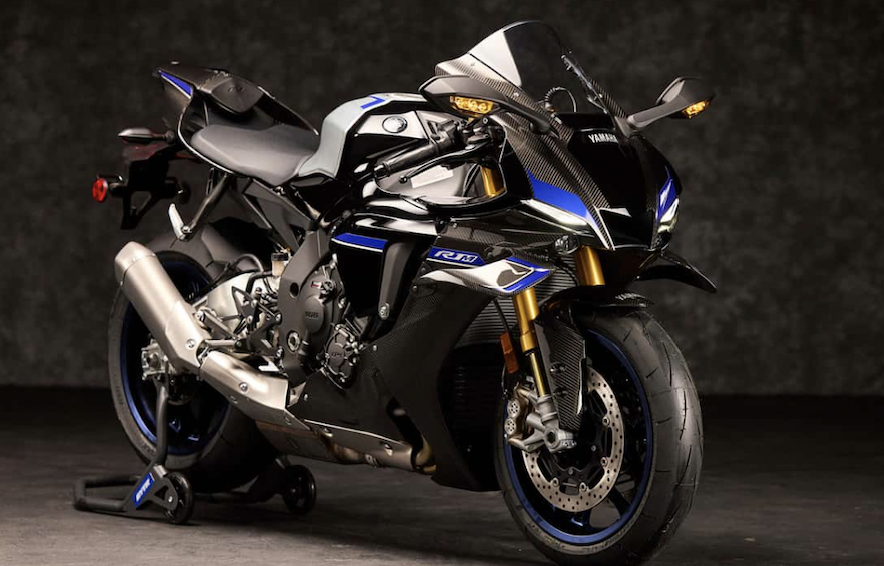
Understanding the Yamaha YZF R1 Slide Control Technology
The Yamaha YZF R1 stands apart in superbike engineering. Its Slide Control System delivers race bred intelligence straight from MotoGP development. Moreover, this feature refines corner exit acceleration with remarkable precision.
Unlike basic traction aids, this setup allows calculated rear drift. It then manages that motion without abrupt power cuts. Consequently, riders gain confidence while maintaining momentum.
A six axis IMU monitors pitch, roll, yaw, lean angle, and acceleration. Therefore, adjustments occur instantly and smoothly. The result feels controlled rather than restricted.
SCS Levels Explained for Track Performance
Yamaha offers three calibrated intervention settings.
Level 1 permits aggressive drift angles.
Level 2 balances freedom with measured correction.
Level 3 prioritizes safety and tighter intervention.
Most track riders prefer Level 2 initially. However, advanced users often transition to Level 1 for faster lap consistency.
Each mode alters how the rear tire behaves during throttle application. Thus, selecting the right level shapes your riding strategy.
Pre Track Configuration for Accurate Testing
Preparation determines outcome. Electronics must work in harmony before serious evaluation.
Access the YRC interface through the dashboard. Then configure the following:
Power Mode set to maximum output.
Traction assistance is minimal or disabled.
Slide feature adjusted to Level 2 for baseline testing.
The engine brake is moderate.
Lift management is disabled.
Quickshifter is fully active.
This configuration ensures slide calibration functions operate independently. Otherwise, overlapping systems dilute feedback clarity.
Tire Preparation and Temperature Control
Rubber condition directly affects data reliability. Cold compounds distort behavior instantly. Therefore, use performance slicks or premium hypersport options.
Target at least 140°F before aggressive throttle input. Tire warmers simplify this process. As a result, slide characteristics remain predictable.
Underheated tires transform controlled drift into instability. Avoid testing under those conditions.
Initial Session: Controlled Familiarization
Begin conservatively. Choose a medium radius corner with clean runoff. Focus on smooth entry and balanced weight transfer.
Brake firmly while trailing toward the apex. Downshift with auto blip assistance. Hit your line precisely.
At approximately mid lean, apply steady throttle commitment. Do not hesitate. Consistency helps the system interpret rider intent accurately.
You should notice slight rear rotation. Power trims subtly rather than sharply. The chassis remains composed throughout.
Roll off gently to observe recovery. The motorcycle should settle naturally without dramatic correction.
Comparative Testing Across Settings
After establishing trust, compare all levels methodically. Complete several laps per adjustment. Record impressions immediately.
Evaluate throttle confidence first. Next, monitor exit stability. Finally, review lap time consistency.
Level 1 typically allows greater angle freedom. Meanwhile, Level 3 intervenes earlier during acceleration. Understanding differences sharpens rider adaptability.
Gradual experimentation yields clearer insight than abrupt changes.
High Speed Exit Validation
Select a fast corner exceeding triple digit exit speeds. Stand the bike progressively. Then apply full throttle decisively.
Expect manageable drift with minimal velocity loss. Corrections should feel smooth rather than intrusive.
If available, analyze onboard telemetry. Review lean metrics and throttle modulation. Consistent data confirms proper calibration.
Erratic behavior often indicates tire issues or sensor contamination. Clean IMU components regularly for reliability.
Indicators of Proper Function
A well tuned configuration produces predictable behavior. Rear motion should increase progressively. Intervention must feel seamless.
Dashboard indicators typically flash during activation. Stability should remain uniform across lean variations.
Jerky power reduction signals an incorrect setup. Address mechanical factors before blaming electronics.
Common Mistakes to Avoid
Many riders rush into aggressive testing prematurely. However, progressive buildup improves safety.
Avoid disabling all assistance immediately. Warm up for several laps before pushing limits. Additionally, verify tire pressure carefully.
Suspension quality influences feedback clarity. Premium setups enhance communication noticeably. Still, the standard platform performs impressively when dialed correctly.
Patience transforms technology into an advantage.
Why Slide Mastery Improves Lap Performance
Refined drift management reduces hesitation during corner exits. Consequently, throttle application becomes earlier and stronger.
Confidence grows with each consistent lap. Furthermore, smoother acceleration preserves tire longevity.
Many riders discover measurable time reductions after mastering these dynamics. Precision replaces fear, and rhythm improves naturally.
Professional Setup Support Matters
Experienced track technicians optimize electronic calibration effectively. Seek specialists familiar with race environments.
Correct suspension sag, geometry alignment, and tire choice amplify results. Electronics function best within a balanced chassis ecosystem.
Collaboration accelerates improvement dramatically.
Final Thoughts on Yamaha’s Racing Innovation
The Slide Control feature transforms the Yamaha YZF R1 into a refined track weapon. It encourages calculated aggression rather than reckless throttle input.
When tested progressively, the system feels intuitive and supportive. Riders begin trusting controlled drift as a performance tool.