Introduction
Walk through any newly finished neighbourhood, and you will notice something different. Roofs sprout solar fields, windows stretch from ground to ceiling, and indoor gardens thrive where once there was plain carpet. The family dwelling is moving far beyond four walls and a roof. Today, it serves as a wellness retreat, an energy plant, and a digital co-pilot all at once. Climate pressure, rapid tech progress, and a global shift toward simpler living have joined forces to create this evolution. The following guide looks closely at the main design currents that are steering the future dwelling, showing how each idea improves comfort, saves resources, and lifts daily mood.
Sustainability Becomes The Foundation Of Dwelling Design
Environmental responsibility is no longer an optional upgrade. It has moved to the core of construction practice, influencing everything from soil preparation to the last coat of paint.
Conscious Choice Of Building Materials
Builders now examine the full life cycle impact instead of focusing only on the upfront expense. They choose products that need less energy to produce, release minimal chemicals indoors, and remain sturdy for decades.
- Recovered timber sourced from dismantled barns or factories
- Recycled steel beams that cut mining demand
- Paints and sealants with ultra-low chemical release
Concrete alternatives made with plant fibres or industrial byproducts are also gaining acceptance, shrinking carbon footprints while maintaining structural strength.
Passive Climate Moderation Strategies
An efficient dwelling starts with how it sits on the land. By aligning floor plans to the path of the sun and prevailing breezes, designers cut mechanical heating and cooling needs.
- South-facing glass walls capture winter warmth in cooler regions
- Deep roof overhangs block high summer rays while allowing low winter light
- Thick insulation blankets and high-performance glazing keep interior temperatures steady
Rain gardens and permeable paths manage storm runoff, reducing erosion while supplying vegetation with a consistent water source.
Technology Moves From Gadget To Structural Feature
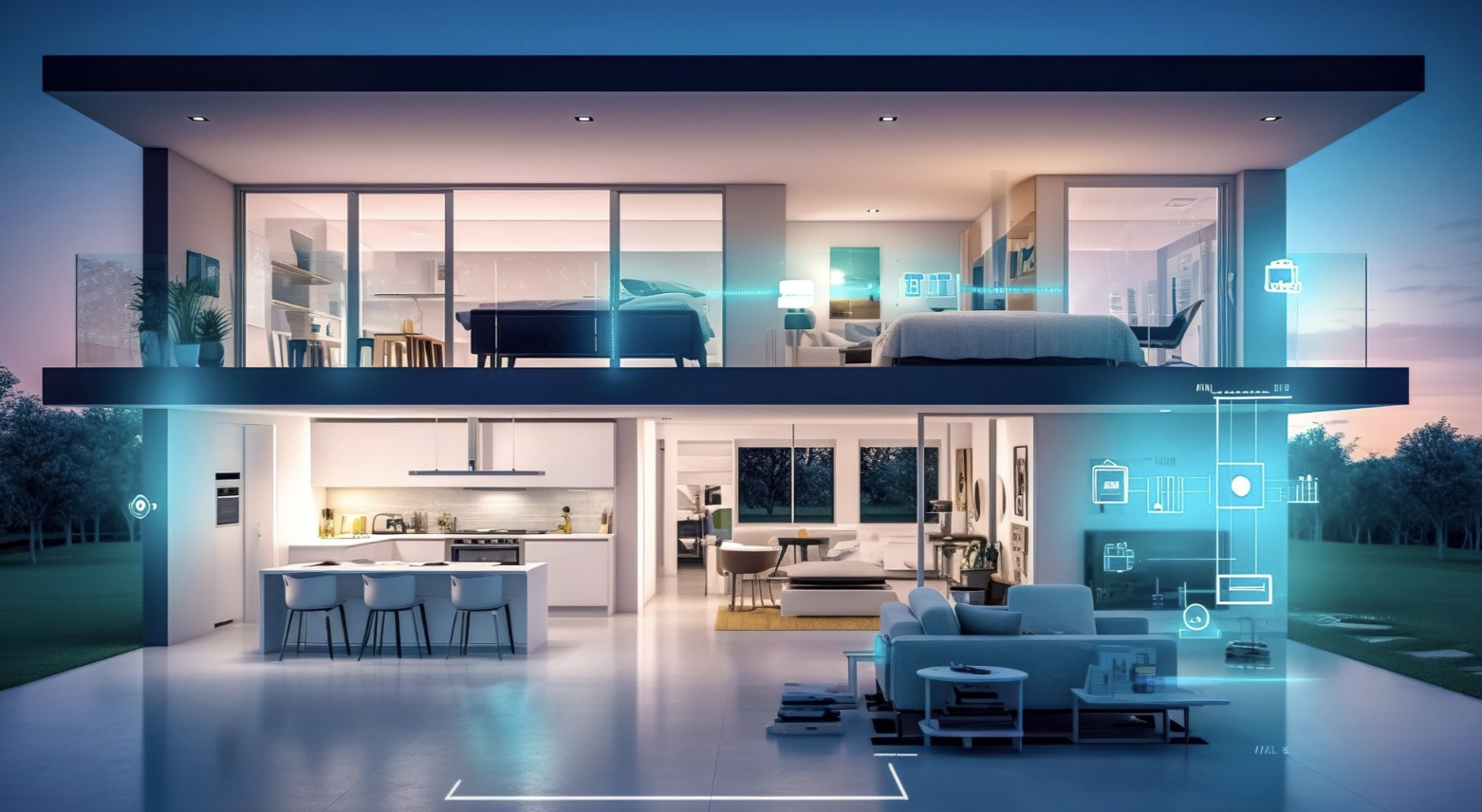
Smart home gear once felt like an expensive novelty. It has since matured into an integrated layer that improves security, cuts utility bills, and learns each resident’s routine.
Connected Control Systems
Central hubs now link lighting, climate, and safety gear into one dashboard. With an app or voice command, owners can dim the lounge lights, check who rang the doorbell, and adjust the bedroom climate from anywhere on the planet.
- Zones allow bedrooms to stay cool for restful sleep while living areas remain slightly warmer
- Door sensors alert travellers if a window is left open
- Indoor cameras double as pet sitters, sending gentle reminders when the dog needs water
Learning Devices And Predictive Automation
Artificial intelligence is turning raw data into useful action. Thermostats notice when the house is empty and reduce output, then restore the ideal temperature just before the owners return. Garden irrigation systems cross-reference weather forecasts and skip watering on days when rain is likely. Kitchen appliances communicate with each other so that cooking, cooling, and cleaning happen at the most energy-friendly times.
Over time, the dwelling feels almost alive, refining schedules to balance comfort with conservation.
Space Efficiency Over Sheer Square Footage
Urban land prices keep climbing, pushing families to think smaller yet smarter. Designers respond with room arrangements and fittings that squeeze full function out of every centimetre.
Micro Planning For Compact Rooms
Thoughtful floor plans align tasks in logical clusters.
- Kitchens flow into dining nooks, then onward to lounge areas, allowing parents to cook while chatting with guests or supervising homework
- Built-in wardrobes span entire walls, freeing up floor space for movement
- Loft-style sleeping decks rise above study corners, giving one room two distinct roles
Walls That Move And Furniture That Transforms
Partition panels glide on hidden tracks, converting an open studio into private guest quarters within seconds. Sofas flip into beds, coffee tables rise to dining height, and desks fold discreetly into shelving units once work is done. Such flexibility makes a compact footprint feel spacious and ready for changing daily demands.
Climate Management Reimagined For Comfort And Savings
Temperature control used to rely on bulky radiators and heavy air units. The new wave of systems focuses on silent operation, gentle distribution, and low energy draw.
Radiant Warmth Beneath Every Step
Pipes carrying warm water weave under polished concrete or engineered wood boards. Heat rises evenly, preventing the hot head, cool feet issue common with forced air. Because warmth originates at floor level, thermostats can be set lower without sacrificing comfort, translating into considerable fuel savings.
Smarter Cooling That Thinks Ahead
Ceiling fans with adaptive blades alter spin direction based on sensor reads. Advanced heat pumps choose the most efficient mode after checking both indoor and outdoor conditions. In humid regions, dehumidifiers run first to remove moisture, making the air feel cooler before the compressor needs to engage. All year comfort arrives with a much lighter impact on the energy bill.
Daylight, Fresh Air, and Nature As Core Ingredients
Humans thrive in sunlight and clean air, so architects are blurring the line between inside and outside.
Expansive Openings That Pull Sun Indoors
Floor-to-ceiling glass sliders draw morning light deep into living rooms. Clerestory windows set high on walls brighten hallways without compromising privacy. Roof apertures fitted with automated blinds, shower bathrooms, and stairwells in gentle daylight and then close during peak summer heat.
Breathing Walls And Strategic Ventilation
Cross-breeze planning places openings on opposite sides of main rooms. As warm air escapes through high vents, cooler air sweeps in at floor level. Heat recovery ventilators capture energy from outgoing air before fresh air enters, keeping temperatures steady while delivering oxygen-rich flow. The result is reduced reliance on machinery and a healthier respiratory environment.
Health And Wellness Within Four Walls
A dwelling now doubles as a personal wellness centre, supporting both physical and mental vitality.
Material Health Purity
From floor finishes to cabinet adhesives, each product is scrutinised for chemical safety. Certifications such as GreenGuard or Declare help owners verify that adhesives, resins, and fabrics will not off-gas dangerous vapours. Coupled with modern filtration devices that trap pollen, dust, and microbes, the interior becomes a haven for sensitive lungs.
Dedicated Zones For Body And Mind
Many new blueprints reserve small pockets for daily rejuvenation.
- A sunny alcove houses a yoga mat and meditation cushion, away from screens and foot traffic
- Spare bedrooms include wall-mounted fitness bands and compact cardio machines
- An outdoor shower next to the garden encourages quick rinses after exercise or yard work
These spaces nudge residents toward consistent activity and mindful breaks, weaving wellness into routine instead of treating it as an extra chore.
Minimalism And Intentional Consumption
Clutter-free surroundings support calmer minds. The minimalist movement has therefore joined sustainable design as a key influence on residential style.
Fewer Pieces More Meaning
Instead of filling shelves with trinkets, homeowners now curate objects that tell a story or serve a genuine purpose. A handcrafted table passed down through generations becomes a centrepiece, not another item among many poor imitations. This curation reduces resource waste while creating a stronger emotional attachment to belongings.
Mindful Maintenance Routine
Surfaces stay clear, making dusting and floor care simple. Less furniture means fewer repairs. Savings from not purchasing unnecessary decor can fund quality upgrades such as solid timber doors or artisan tiles, lifting overall durability and beauty.
Real World Examples That Prove The Shift
Consider the Jasper family in an Australian coastal town. Their newly constructed timber frame house uses reclaimed hardwood pulled from an old wharf. Large louvre windows channel sea breezes, and a green roof packed with succulents keeps the upper level cool under scorching midsummer sun. Inside, a sliding panel converts the study to a guest bedroom during the holiday season. Utility data from the past twelve months shows energy draw is fifty percent below the regional average, even with two teenagers streaming video and charging devices all day.
In Sweden, architect Karin Olsson designed an apartment block where each flat measures just under sixty square metres. Hidden storage under raised floors, wall beds, and nested dining sets gives occupants room to entertain despite the tiny footprint. Shared amenities such as rooftop vegetable gardens and a tool library further reduce individual consumption while building community ties.
Across the Pacific, a California start-up retrofitted a mid-century bungalow with a fully integrated sensor network. Machine learning algorithms cut water use by tracking weather forecasts and soil moisture, trimming landscape irrigation by forty percent. Indoor air monitors alert residents when CO2 levels creep upward, prompting a brief window opening that restores freshness without spinning up the ventilation fan.
Practical Steps For Prospective Home Owners
Dreaming of your own forward-looking dwelling can feel overwhelming, yet small, measured actions bring that vision within reach.
- Start with an energy audit of your current space to find the quickest efficiency wins
- Visit salvage yards and reclaimed timber suppliers for unique, planet-friendly materials
- Install a smart thermostat and begin collecting usage data to guide future upgrades
- Sketch a furniture plan before any renovation, so every square metre has a task
- Test out flexible fittings like folding desks or modular sofas in one room before committing the entire house budget
- Grow a few herbs indoors to gauge light levels and practise biophilic care habits
Each modest experiment builds knowledge and confidence, paving the way toward larger transformations later.
Conclusion
The dwelling of tomorrow is already taking shape today. Its walls breathe, its roof gathers power, and its digital core gently orchestrates daily comfort while trimming waste. Sustainable resources replace extractive ones, multifunction rooms stand in for sprawling excess, and nature reclaims a seat at the family table. Embracing even a handful of these design shifts can lower bills, strengthen health, and deliver a living environment that grows kinder to both planet and spirit. In short, the path to better housing is clear: build smart, build green, and above all, build with intention.