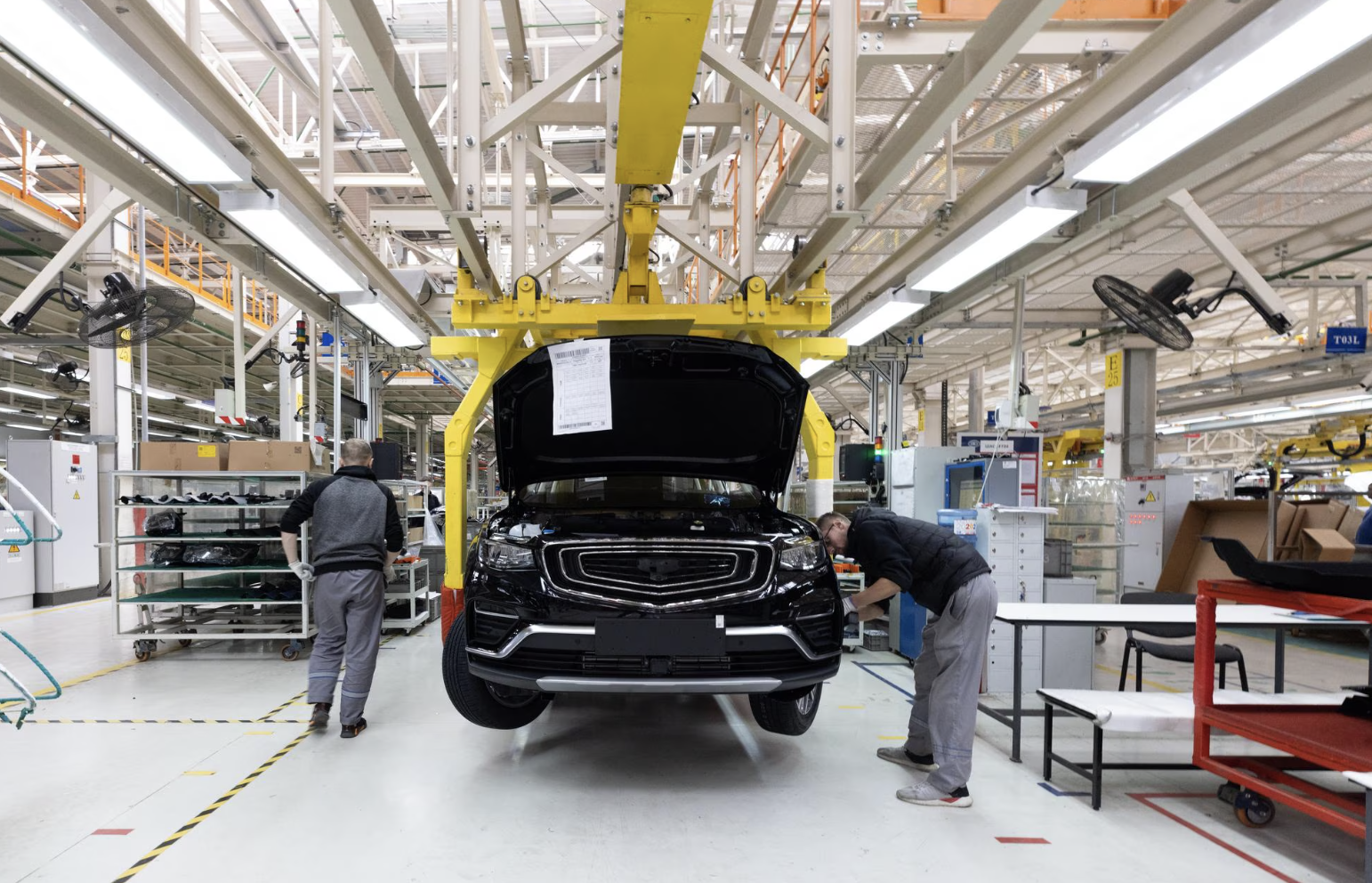
Precision Engineering Transforms Post Accident Restoration
Accuracy defines successful structural restoration. Even minor impact can distort the chassis foundation. Consequently, misalignment affects stability, steering response, and occupant protection. Therefore, skilled technicians rely on advanced alignment platforms instead of manual judgment.
Traditional inspection depended on visual checks and handheld gauges. However, that approach often produced inconsistent outcomes. Modern innovation eliminates estimation and replaces it with measurable data.
Today, professional workshops integrate digital diagnostics with hydraulic correction units. As a result, specialists restore structural geometry to factory benchmarks with confidence.
Digital Measuring Systems Redefine Structural Assessment
Computerized scanning tools detect deviations within millimeters. Laser sensors and optical cameras collect dimensional readings instantly. Then, software compares findings against manufacturer specifications.
Because data appears in real time, technicians identify even subtle shifts immediately. Moreover, digital mapping highlights stress zones that human sight may overlook. This method improves workflow and reduces repeated adjustments.
Accurate diagnostics create a solid foundation for corrective procedures. Without precise measurement, structural recovery remains incomplete.
Hydraulic Straightening Platforms Deliver Controlled Force
High strength pulling towers apply calculated pressure to damaged sections. Unlike older chains and clamps, these machines distribute force evenly. Consequently, structural metal returns to original configuration without added strain.
Technicians monitor progress continuously through synchronized software. Therefore, each pull aligns with calculated targets. Controlled pressure prevents overcorrection and preserves integrity.
Because consistency matters, hydraulic racks ensure repeatable accuracy across different restoration projects.
Real Time Monitoring Enhances Workflow Efficiency
Integrated dashboards display live alignment updates during correction stages. As adjustments occur, technicians confirm progress instantly. This transparency reduces trial and error.
Faster turnaround benefits both service providers and vehicle owners. In addition, efficient systems lower labor time without sacrificing craftsmanship.
Streamlined operations also minimize delays caused by secondary recalibration. Precision technology keeps each stage organized and accountable.
Digital Documentation Builds Trust and Transparency
Modern repair facilities generate comprehensive digital reports. Each measurement and correction step remains recorded. Consequently, insurers and clients review verified data confidently.
Electronic records demonstrate compliance with manufacturer tolerances. Furthermore, documented proof increases resale appeal for restored automobiles.
Reliable documentation reflects professionalism and commitment to quality assurance.
Improved Structural Integrity Supports Passenger Protection
Restoring chassis geometry protects crash energy pathways. When alignment matches original design, safety systems operate correctly. Therefore, airbags and crumple zones respond as engineered.
Improper correction can weaken impact resistance. However, advanced calibration ensures structural strength returns fully. Enhanced integrity directly influences occupant well being during future collisions.
Safety remains the primary objective of every professional restoration service.
Enhanced Handling and Driving Stability
Misaligned frameworks often cause uneven tire wear. Steering may also feel unstable at highway speeds. Consequently, suspension components experience premature stress.
Precise straightening restores balanced weight distribution. As a result, handling improves and ride comfort increases. Drivers notice smoother control immediately after completion.
Balanced geometry also extends component lifespan. Therefore, long-term ownership costs decrease significantly.
Higher Market Value Through Certified Restoration
Buyers prefer automobiles with verified repair history. Digital records confirm professional alignment procedures. Consequently, resale negotiations become easier.
Accurate structural recovery protects long-term investment value. In addition, documented evidence reassures potential purchasers about reliability.
Certified workmanship strengthens credibility within competitive automotive markets.
Choosing a Technology Driven Collision Facility
Selecting a workshop equipped with computerized alignment systems ensures dependable outcomes. Advanced equipment reflects commitment to modern standards. Moreover, trained technicians maximize technology benefits through expertise.
Reliable service centers prioritize measurable precision over assumptions. Therefore, clients receive vehicles restored to manufacturer intent.
Innovation continues to reshape structural restoration practices. With digital diagnostics, hydraulic calibration, and verified reporting, today’s repair process delivers unmatched accuracy. Ultimately, advanced frame alignment systems secure safety, performance, and lasting confidence on every road journey.