
The Financial Shift Toward Smarter Infrastructure
Modern enterprises demand leaner operations and stronger margins. Therefore, leaders replace rigid systems with flexible digital environments. Traditional servers once locked capital into static assets. However, scalable platforms now release that pressure instantly.
Organizations no longer tolerate heavy upfront spending. Instead, they adopt subscription models that align cost with usage. As a result, cash flow improves and budgeting gains precision. This transition reshapes balance sheets while strengthening long term resilience.
From Capital Drain to Cost Control
Previously, firms invested heavily in physical hardware. They purchased racks, cooling systems, and backup equipment. Consequently, large sums disappeared before revenue growth even began.
Cloud environments eliminate those burdens quickly. Businesses now convert fixed investments into variable expenses. Moreover, they pay only for consumed capacity. This structure prevents overspending and protects liquidity.
Maintenance expenses also decline sharply. Providers handle updates, repairs, and security patches. Therefore, finance teams forecast expenses with greater accuracy. Predictable billing simplifies strategic planning.
Inside Modern Data Centers
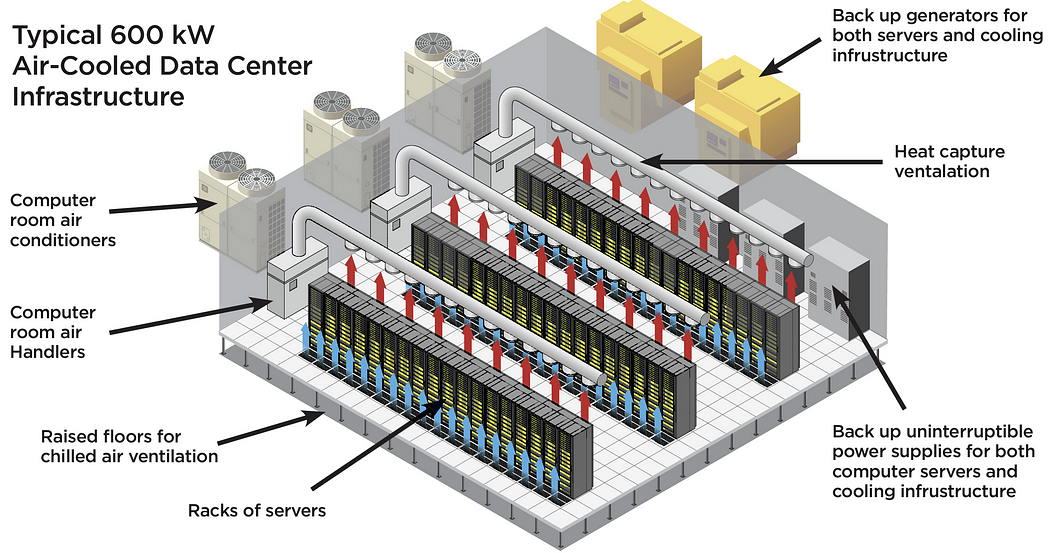
Global platforms operate hyperscale facilities optimized for efficiency. These environments maximize energy use and hardware performance. In contrast, private server rooms often waste resources.
For example, Amazon Web Services delivers elastic computing across regions worldwide. Likewise, Microsoft Azure supports enterprise workloads with integrated compliance features. Similarly, Google Cloud enables advanced analytics within distributed networks.
Because these providers leverage scale, operational costs remain lower than in house alternatives. Consequently, clients benefit from enterprise grade systems without building them independently.
Elastic Capacity Drives Higher Margins
Demand rarely remains constant. Seasonal spikes and product launches create unpredictable pressure. Traditional setups forced companies to overbuild capacity. Unfortunately, unused hardware drained returns.
Elastic computing resolves that imbalance. Resources expand during peak demand and contract afterward. Thus, organizations avoid idle investments. This flexibility protects profit during slower periods.
Growing firms especially benefit from this structure. They scale gradually rather than gamble on large expansions. Therefore, capital supports marketing, hiring, and innovation instead of dormant equipment.
Workforce Productivity Accelerates
Infrastructure management once consumed skilled labor. Engineers focused on maintenance instead of innovation. However, automation now shifts attention toward growth initiatives.
Cloud dashboards streamline deployment and monitoring. Teams launch environments within minutes. As a result, development cycles shorten dramatically. Faster releases improve competitiveness and market responsiveness.
Remote collaboration also strengthens efficiency. Staff access systems securely from any location. Consequently, businesses reduce physical office dependency while retaining performance standards.
Security Strength Without Heavy Spending
Cyber threats continue rising each year. Protecting sensitive data demands constant vigilance. Building internal defense systems often strains budgets.
Cloud providers invest billions into layered protection. They deploy encryption, identity controls, and real time threat detection. Therefore, smaller organizations access sophisticated safeguards affordably.
Shared responsibility ensures clients maintain governance over their data. Meanwhile, infrastructure protection remains managed centrally. This model balances accountability with operational ease.
Business Continuity Becomes Standard
Unexpected outages can damage reputation instantly. Downtime disrupts sales and erodes trust. Traditional disaster recovery required duplicate facilities and complex synchronization.
Cloud redundancy changes that equation. Data replicates across geographic regions automatically. Consequently, recovery times shrink dramatically. Revenue loss from disruption decreases significantly.
Resilience now becomes embedded rather than optional. Companies maintain operational continuity without excessive infrastructure duplication.
Faster Innovation Unlocks Market Advantage

Speed determines competitive strength. Delayed product releases weaken positioning. Cloud platforms remove infrastructure bottlenecks from development pipelines.
Prebuilt services accelerate experimentation. Teams integrate analytics, artificial intelligence, and storage instantly. Therefore, innovation cycles compress significantly.
Rapid testing encourages bold ideas. If initiatives fail, costs remain contained. Conversely, successful launches scale immediately to meet demand.
Strategic Flexibility for Future Growth
Technology evolves continuously. Static systems struggle to keep pace. However, digital platforms update features automatically.
Organizations access new tools without purchasing additional equipment. This continuous improvement keeps operations modern. Moreover, adaptability strengthens long term strategy.
Hybrid approaches also remain viable. Some workloads stay onsite while others migrate gradually. Consequently, transition risk decreases while benefits accumulate steadily.
Operational Transparency Enhances Decision Making
Usage analytics provide granular visibility into consumption patterns. Finance leaders evaluate spending by department or project. Therefore, accountability increases across teams.
Detailed reporting also highlights optimization opportunities. Companies identify inefficiencies quickly and adjust configurations accordingly. This proactive management improves cost discipline.
Informed decisions replace assumptions. Clear data guides every allocation choice.
Revenue Growth Through Digital Agility
Ultimately, financial transformation extends beyond savings. Scalable infrastructure enables expansion into new markets. Businesses launch services globally without building foreign facilities.
Customer experiences also improve through reliable performance. Faster applications increase satisfaction and loyalty. Consequently, repeat revenue rises organically.
Innovation, efficiency, and resilience combine to elevate earnings. Cloud adoption becomes a strategic revenue engine rather than a technical upgrade.
Conclusion: A Smarter Path to Sustainable Profit
Forward thinking enterprises recognize infrastructure as a growth lever. Flexible digital ecosystems reduce waste while increasing agility. Therefore, margins strengthen across operations.
Cost control, scalability, and security align under one strategy. Each advantage compounds over time. Companies that modernize early gain measurable financial momentum.
Cloud powered models redefine how organizations generate value. With disciplined execution, profitability expands alongside innovation.