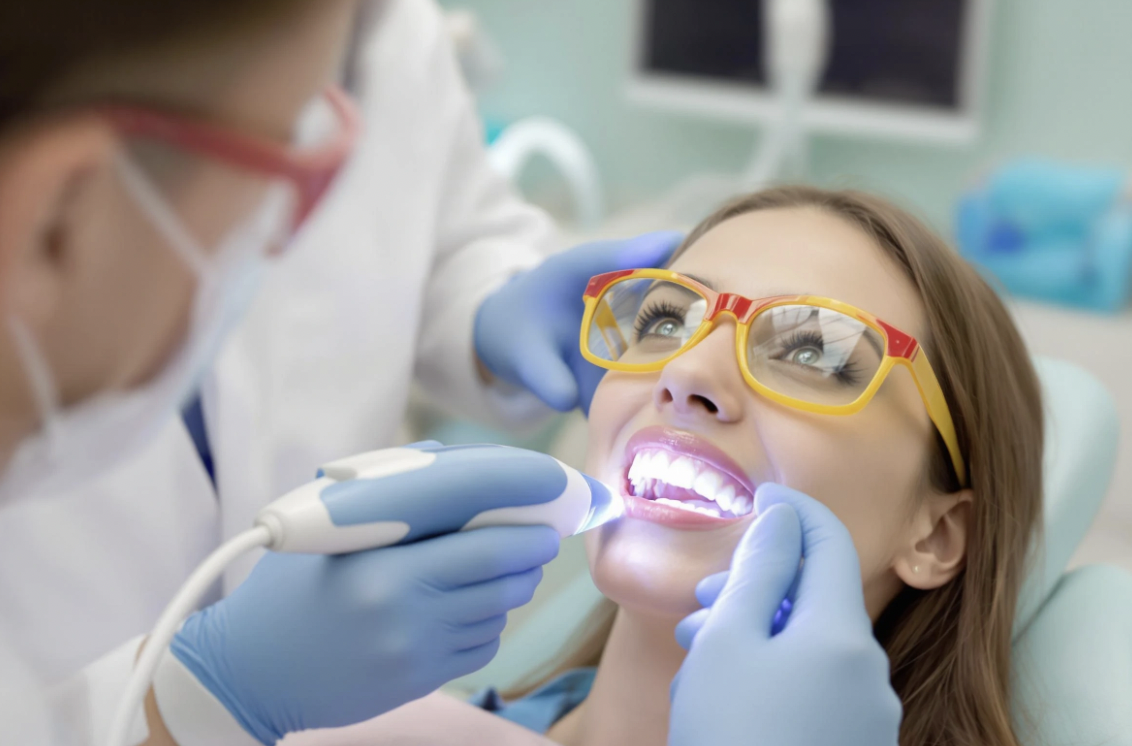
A Healthy Base Strengthens Any Smile Upgrade
Many people dream about brighter teeth or a flawless grin. However, appearance changes require a stable oral base first. General dental care quietly prepares that base.
Routine examinations reveal hidden decay, weak enamel, and early gum infection. Consequently, dentists resolve these issues before cosmetic procedures begin. This careful preparation protects both comfort and investment.
Professional cleanings remove plaque and hardened buildup. Meanwhile, imaging helps uncover problems beneath the surface. As a result, patients avoid placing cosmetic materials over unhealthy structures.
This approach builds confidence in every step. Moreover, it creates conditions where aesthetic treatments perform well and last longer.
Why Oral Health Must Lead Cosmetic Planning
Cosmetic improvements sit on top of natural structures. Therefore, strong teeth and stable gums remain essential.
Bleeding tissue or untreated decay creates unstable support. Consequently, restorations may loosen, discolor, or fail early.
Dentists review three essential factors before aesthetic planning:
- Gum condition and tissue stability
- Tooth strength and enamel thickness
- Bite balance during chewing
Each element influences long-term results. Furthermore, proper evaluation prevents discomfort and unnecessary repair costs.
Healthy conditions provide a reliable platform. Therefore, cosmetic solutions function as intended while maintaining comfort.
Routine Dental Visits Prepare the Mouth for Change
Regular appointments serve more than cleaning purposes. Instead, they prepare the mouth for future improvements.
During an evaluation, a dentist performs several checks:
- Measures gum pockets to detect infection
- Reviews earlier fillings or crowns for leakage
- Examines worn surfaces that suggest grinding
- Studies radiographs for hidden decay or bone loss
Each observation answers one key question. Can the mouth handle new pressure?
Crowns, bonding, or veneers alter chewing patterns. Consequently, weak joints or strained muscles may worsen without preparation.
General dental care identifies these risks early. Therefore, dentists adjust treatment plans before cosmetic procedures begin.
Preparing for Different Cosmetic Options
Different aesthetic services require different preparation steps. Some changes remain simple, while others demand deeper repair.
Teeth Whitening Preparation
Professional whitening works best on clean surfaces. Therefore, dentists remove plaque before applying bleaching agents.
Cavity checks protect sensitive areas. Meanwhile, gum evaluation reduces irritation risk during treatment.
Clean enamel absorbs whitening solutions evenly. Consequently, results appear brighter and more consistent.
Bonding and Tooth Colored Repairs
Bonding improves chipped or uneven teeth. However, dentists must first remove decay.
Radiographs reveal hidden damage beneath old restorations. Additionally, bite analysis ensures the repaired area receives balanced pressure.
These precautions help bonding last longer. As a result, the restored surface remains smooth and durable.
Veneers or Crowns
Thin porcelain coverings create dramatic transformations. Nevertheless, they require healthy support underneath.
Dentists evaluate cracks, fractures, and grinding habits. Meanwhile, gum care ensures impressions remain accurate.
Treating inflammation first prevents complications. Consequently, veneers or crowns fit precisely and maintain stability.
Implants and Bridge Solutions
Tooth replacement demands careful planning. Therefore, dentists examine bone levels through imaging.
Medical history review also matters. Additionally, infection control protects healing tissues.
Healthy bone anchors implants securely. As a result, replacement teeth function naturally.
Protecting Gum Tissue Before Smile Enhancement
Gums hold every tooth in position. Therefore, their condition directly affects cosmetic success.
Dentists watch for several warning signs:
- Swelling or redness around teeth
- Bleeding during brushing
- Persistent bad breath
- Gradual gum recession
These symptoms often signal periodontal disease. However, early treatment controls damage effectively.
Deep cleaning removes bacteria below the gum line. Meanwhile, patients learn improved home care habits.
Once tissues recover, cosmetic procedures gain a stable foundation. Consequently, results remain attractive and durable.
Managing Grinding and Bite Stress
Many individuals grind or clench without noticing. Unfortunately, excessive pressure damages natural teeth and restorations.
Dentists identify grinding through several indicators:
- Flattened edges on biting surfaces
- Morning jaw soreness
- Temple headaches
- Small cracks within fillings
Ignoring these signs risks future breakage. Therefore, dentists often recommend protective solutions.
Night guards reduce pressure during sleep. Additionally, bite adjustments balance chewing forces.
These measures shield both natural structures and cosmetic work. As a result, restorations resist chipping or cracking.
Creating a Long Term Smile Strategy
Aesthetic dentistry works best as part of a long term strategy. Instead of rushing changes, dentists guide patients step by step.
Planning usually includes three stages:
- Identify the most noticeable concerns
- Rank improvements from simple to complex
- Schedule treatment according to health priorities
This method preserves stability. Meanwhile, it allows flexibility if schedules or finances change.
Patients often begin with preventive care. Later, they move toward cosmetic improvements gradually.
Such planning protects oral health while enhancing appearance. Consequently, results feel natural and sustainable.
Talking With Your Dentist About Cosmetic Goals
Clear communication strengthens treatment outcomes. Therefore, preparation helps during dental visits.
Patients should bring helpful information, including:
- Photos showing desired smile styles
- A short list of main concerns
- Questions about cost and maintenance
Dentists evaluate whether current conditions support those goals. Sometimes the mouth already qualifies for treatment.
However, small repairs may come first. Consequently, cosmetic procedures occur under safer conditions.
Honest conversations guide smarter decisions. Moreover, patients understand both benefits and limitations.
A Strong Foundation Supports Beautiful Results
Cosmetic dentistry attracts attention through visible changes. Nevertheless, strong underlying health determines long term success.
General dental care uncovers problems early. Therefore, dentists treat disease before aesthetic procedures begin.
Healthy gums, balanced bites, and stable teeth create the right environment. Consequently, cosmetic restorations last longer and feel comfortable.