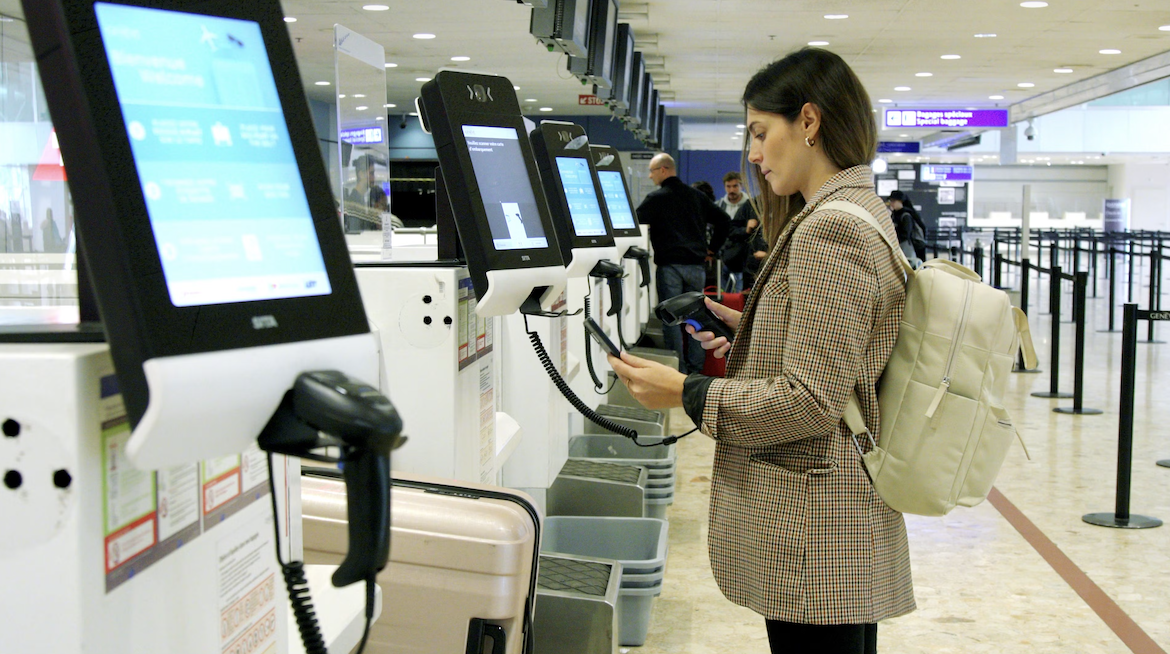
Travel has evolved significantly in recent years, bringing smarter solutions to age old problems. Standing in lengthy lines at airport terminals or waiting at hotel lobbies is no longer necessary in many places. Touchless check in systems are reshaping how we experience travel, making journeys safer while saving precious time. This technological advancement benefits both travelers seeking convenience and businesses aiming to deliver superior service without compromising health standards.
What Makes Touchless Check In Different
Touchless check in eliminates the need for physical interaction during the arrival process. Instead of filling out paper forms or touching shared equipment, travelers use digital platforms to complete their check in procedures remotely.
Airports implement these systems through smartphone applications, biometric scanners, and automated kiosks that respond to gestures rather than touch. Hotels provide similar capabilities through downloadable apps that handle everything from reservation confirmation to room access.
A typical touchless experience at an airport involves scanning your face at various checkpoints, while hotel guests receive smartphone based digital keys that unlock rooms automatically when approaching the door.
Safety Benefits That Matter
Modern travelers care deeply about hygiene and minimizing exposure to germs. Traditional check-in requires interaction with numerous surfaces that hundreds of people touch daily.
Consider what a conventional airport check in involves. You hand documents to staff, sign papers, touch payment terminals, collect boarding passes, and grab luggage tags. Each interaction presents potential health risks.
Touchless alternatives change this equation completely. Your phone becomes your primary tool throughout the journey. No shared pens, no physical tickets, and no handling of objects passed between multiple people.
Singapore Airlines introduced a fully contactless journey at Changi Airport, where passengers complete their entire travel process using facial recognition technology. The system has proven particularly valuable during periods when infectious diseases spread rapidly through crowded spaces.
Hotels face similar challenges. Traditional key cards are exchanged hands between housekeeping staff, front desk personnel, and guests. Digital keys stored on personal devices eliminate this chain of contact entirely.
Efficiency Gains Across the Board
Time savings represent another compelling reason for adopting touchless systems. These technologies streamline operations in measurable ways.
Airport Improvements
Modern airports handle millions of passengers annually. Even small delays multiply into significant bottlenecks during busy periods.
Touchless check in addresses this challenge through several mechanisms:
- Travelers complete check in procedures hours before reaching the airport
- Automated baggage systems process luggage without lengthy counter interactions
- Biometric gates verify identity instantly without manual document checks
- Security checkpoints move faster when passengers carry fewer physical items
Los Angeles International Airport deployed touchless technology across multiple terminals and documented average time reductions of twenty five minutes per passenger during rush periods.
Hotel Advantages
Hotels struggle with peak check in times when multiple guests arrive simultaneously. Traditional methods create frustrating waits even at well staffed properties.
Touchless solutions transform this experience:
- Guests receive room assignments before arrival and proceed directly to accommodations
- Reception staff concentrate on personalized service rather than administrative tasks
- System integration provides real time updates about room readiness
- Late night arrivals become hassle-free without worrying about staffed front desks
The Hyatt app enables guests to unlock elevators and access floors, creating a comprehensive touchless experience from the parking lot to the room. Customer feedback indicates this convenience significantly impacts their likelihood of returning.
Practical Applications in Action
Numerous travel hubs have successfully implemented touchless systems with impressive results. Dubai International Airport created a smart tunnel using iris recognition and facial scanning that processes passengers in approximately fifteen seconds.
London Heathrow partnered with British Airways to develop a completely touchless domestic travel experience. Passengers check bags, clear security, and board flights using only facial biometrics registered during the initial app setup.
The hospitality industry shows equal innovation. Radisson Hotel Group deployed touchless check-in across properties in over one hundred countries. Their system integrates mobile keys with room service ordering and facility access, creating a comprehensive digital ecosystem.
Boutique hotels lacking large technology budgets have found affordable solutions through third-party providers. Companies like Salto and Onity offer scalable systems that work for properties ranging from small inns to large resorts.
Overcoming Implementation Challenges
Adopting new technology always raises questions about practicality and accessibility.
Privacy Considerations
Collecting biometric information requires responsible data handling. Leading airports and hotels address these concerns through transparent policies explaining exactly what data gets collected, how it’s stored, and when it’s deleted.
European Union regulations mandate strict controls over biometric data. Compliant systems offer alternatives for travelers uncomfortable with facial recognition while still providing touchless benefits through QR codes and mobile applications.
Supporting All Travelers
Not everyone carries smartphones or feels confident using digital tools. Successful implementations recognize this reality by maintaining parallel traditional services.
Well designed systems offer multiple pathways to the same destination. Tech savvy travelers enjoy fully automated experiences, while others receive personalized staff assistance using the same backend technology.
Training programs ensure employees can guide guests through new systems patiently, building confidence gradually rather than forcing immediate adoption.
What Comes Next
Innovation continues to accelerate in this space. Voice activated systems are emerging that allow travelers to check in through simple spoken commands. Wearable devices may soon replace smartphones as the primary interface for touchless travel.
Artificial intelligence will predict potential delays and automatically rebook passengers or reassign hotel rooms before problems occur. Blockchain technology promises ultra secure credential storage that travelers control completely.
Industry analysts expect touchless systems to become universal within the next three years. Properties and airports without these capabilities will likely face competitive disadvantages as travelers increasingly expect digital convenience.
Final Thoughts
Touchless check in technology delivers tangible improvements to travel experiences. It protects health by minimizing germ exposure, saves time by eliminating queues, and increases satisfaction through greater convenience. As these systems mature and become more widely available, the benefits will only multiply. Both airports and hotels investing in touchless infrastructure position themselves for long term success in an industry where passenger expectations continue rising. The transition from traditional to touchless represents progress that makes travel more enjoyable for everyone involved.