Why Precision Fit Drives Better Orthodontic Outcomes
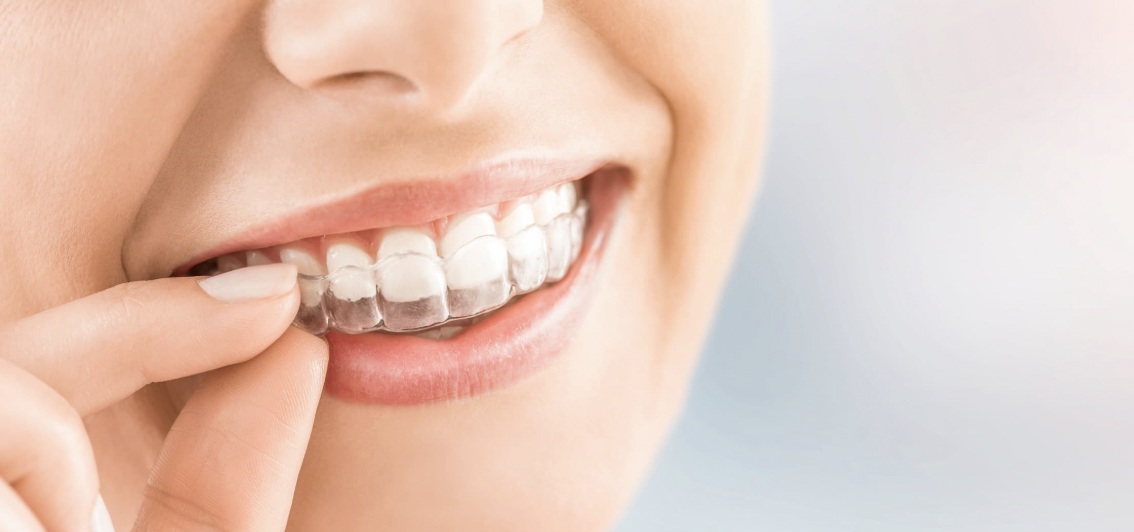
Clear trays promise subtle correction without metal. However, success depends on precision. A snug design guides movement accurately. In contrast, loose trays cause delays and discomfort.
Moreover, correct pressure ensures controlled shifts. Each tooth responds to targeted force. Therefore, progress stays predictable. Patients also feel more comfortable during daily wear.
On the other hand, poor adaptation creates uneven stress. Gums may feel sore quickly. As a result, users remove trays more often. That habit slows overall improvement.
How Custom Design Improves Treatment Accuracy
Every mouth differs in shape and structure. Therefore, personalized planning becomes essential. Dentists begin with detailed digital scans. These scans capture every contour.
Next, software builds a step by step roadmap. Each stage predicts safe movement. Consequently, trays match each phase precisely. Edges stay smooth for better comfort.
Finally, production creates sets that follow the plan. Each piece fits tightly around teeth. Because of this, pressure stays consistent. That consistency improves outcomes significantly.
Common Issues Caused by Poorly Fitted Trays
Imperfect trays create noticeable problems quickly. First, gaps appear between plastic and enamel. This reduces control over movement.
Second, sharp edges irritate soft tissue. Lips and cheeks may develop cuts. Therefore, users feel constant discomfort.
Third, uneven pressure causes imbalance. Some teeth feel intense force. Others remain inactive. Consequently, results become inconsistent.
Additionally, speech issues may continue longer than expected. Trays may slip during talking. These signs indicate the need for adjustment.
Key Benefits of a Well Fitted Aligner System
A precise design improves every aspect of correction. Most importantly, it keeps movement on track. Each stage builds on the previous one.
Furthermore, treatment time stays closer to estimates. Patients avoid unnecessary delays. Comfort also improves daily wear habits.
In addition, fewer refinements become necessary. This saves both time and cost. Oral hygiene also becomes easier to maintain.
Overall, a proper fit delivers a smoother experience. It builds confidence throughout the journey.
Daily Habits That Protect Tray Accuracy
Consistency plays a major role in success. Patients must wear trays as directed. Usually, this means over twenty hours daily.
However, removing them during meals remains important. Hot drinks should also be avoided. Heat can distort plastic shape.
Cleaning requires gentle brushing with cool water. This keeps surfaces clear and hygienic. Moreover, proper care preserves structure.
Equally important, oral hygiene must stay strong. Brushing after meals prevents buildup. Flossing removes hidden debris effectively.
These habits maintain both dental health and tray performance.
Warning Signs That Require Immediate Attention
Early detection prevents larger problems. Therefore, users should stay alert. Gaps along edges signal poor seating.
Persistent discomfort also indicates an issue. Especially when pain feels uneven. Trays should apply balanced pressure.
Another sign includes difficulty keeping trays in place. If slipping occurs often, fit needs review. Speech problems that continue may also suggest misalignment.
Taking quick action avoids extended delays. Ignoring issues leads to longer correction periods.
Steps to Take When Trays Feel Incorrect
First, ensure proper placement. Bite gently to seat trays fully. Many dentists provide small tools for this purpose.
Next, inspect alignment in good lighting. Look for visible gaps or sharp areas. This helps identify the problem quickly.
Then, contact your dentist if discomfort continues. Do not wait for improvement on its own. Early adjustments prevent complications.
Professionals may smooth edges or replace sets. Sometimes, they revise the treatment plan. These steps restore progress efficiently.
When Clear Aligners May Not Suit Your Case
Although effective, aligners do not solve every issue. Complex cases may need alternative solutions. Severe rotation often requires braces.
Large spacing or heavy crowding also limits effectiveness. Additionally, jaw related concerns may need advanced care.
Dentists evaluate each case individually. They recommend options based on structure and goals. Therefore, patients receive safer outcomes.
Retention: Keeping Your Results Long Term
After correction, teeth tend to shift back. Therefore, retention becomes essential. Retainers hold new positions firmly.
A precise retainer works just like trays. It must fit securely without looseness. Otherwise, movement may return.
Daily use ensures lasting results. Cleaning keeps it effective and safe. If damage occurs, replacement should happen quickly.
Consistency during this phase protects all prior effort.
Building Confidence Through Proper Alignment Care
Clear aligners offer a flexible path to improvement. However, success depends on precision and discipline. A well fitted system ensures steady progress.
Patients should communicate openly with their dentist. Reporting discomfort helps maintain accuracy. Following instructions supports faster outcomes.