Introduction
The journey toward a healthy smile begins long before the first tooth appears. For modern parents, the focus has shifted from simple checkups to a comprehensive strategy that nurtures growth, comfort, and enduring health. By combining the gentle expertise of pediatric dentistry with the strategic foresight of orthodontics, families can build a robust foundation for oral wellness. This dual approach does not merely treat problems as they arise; it anticipates developmental needs and guides them toward an ideal outcome. When specialized care addresses the unique changes of childhood, it prevents future complications and fosters a confident smile that lasts a lifetime.
The Dynamic Nature of Childhood Oral Development
Kids’ mouths are always changing and growing. Primary teeth erupt, serve their purpose, and fall out, making way for permanent successors. Simultaneously, the jawbones and facial structures expand and reshape. This rapid evolution means that a child’s dental needs are never static; they require vigilant observation and adaptable treatment plans.
Unlike general dentistry, which often focuses on maintenance and repair, specialized care monitors developmental milestones. Habits such as thumb sucking or mouth breathing can subtly alter the growth trajectory of the jaw and teeth. If left unaddressed, these behaviors may lead to misalignment, bite irregularities, or even speech challenges. Early detection and intervention can correct these patterns, reducing the likelihood of complex procedures later in life.
Key areas that specialists track include:
- The emergence and alignment of both baby and permanent teeth
- The direction and balance of jaw growth
- The ability to chew, speak, and breathe comfortably
By supporting these elements from an early age, parents ensure their child develops a functional and healthy oral structure.
Pediatric Dentistry: Cultivating Positive Foundations
Pediatric dentists are specialists in the art and science of caring for young smiles. Their training emphasizes not only technical skill but also an understanding of child psychology. They create environments where children feel safe, understood, and even excited about dental visits.
Their role extends far beyond treating cavities. They are guardians of preventive health and educators for both children and parents.
Preventive Strategies for Lasting Health
Prevention is the cornerstone of pediatric care. Through routine cleanings, fluoride treatments, and dental sealants, pediatric dentists shield developing teeth from decay. They also provide customized guidance on brushing techniques, dietary choices, and habits that support oral health at every stage of childhood.
Addressing Early Concerns with Minimally Invasive Methods
When issues do arise, pediatric dentists prioritize gentle, conservative solutions. Small cavities are treated with minimally invasive fillings, and space maintainers are used to guide permanent teeth into proper position after premature loss of a baby tooth. They also expertly manage dental injuries from falls or accidents, ensuring swift and compassionate care.
Empowering Parents Through Education
Parents are essential partners in a child’s oral health journey. Pediatric dentists offer tailored advice on managing habits like pacifier use or thumb sucking, establishing effective brushing routines, and making nutritious food choices that benefit teeth. This collaborative approach helps families build sustainable habits that promote healthy development.
The pediatric dental setting is designed to be welcoming and non threatening. Using age appropriate language, distraction techniques, and a gentle touch, these professionals transform dental visits into positive experiences. This early trust lays the groundwork for a lifetime of cooperative dental care.
Orthodontics: Guiding Growth for Optimal Function
Orthodontics is the specialty focused on aligning teeth and jaws to ensure proper function and aesthetics. Orthodontists evaluate spacing, bite relationships, and facial harmony to create a balanced, healthy smile. Early evaluations, typically around age seven, allow for the identification of potential issues that could become more severe over time.
The Advantages of Early Orthodontic Insight
Early intervention offers significant benefits that extend beyond a straighter smile.
- Improved Function: Correctly aligned teeth enhance chewing efficiency and bite strength, making eating easier and more comfortable.
- Enhanced Hygiene: Straight teeth are simpler to clean, reducing the risk of cavities and gum disease.
- Clearer Speech: Proper positioning of teeth and jaws supports clear articulation and pronunciation.
- Reduced Need for Future Extensive Treatment: Addressing issues early can simplify later treatment, potentially shortening the duration and complexity of braces or aligners.
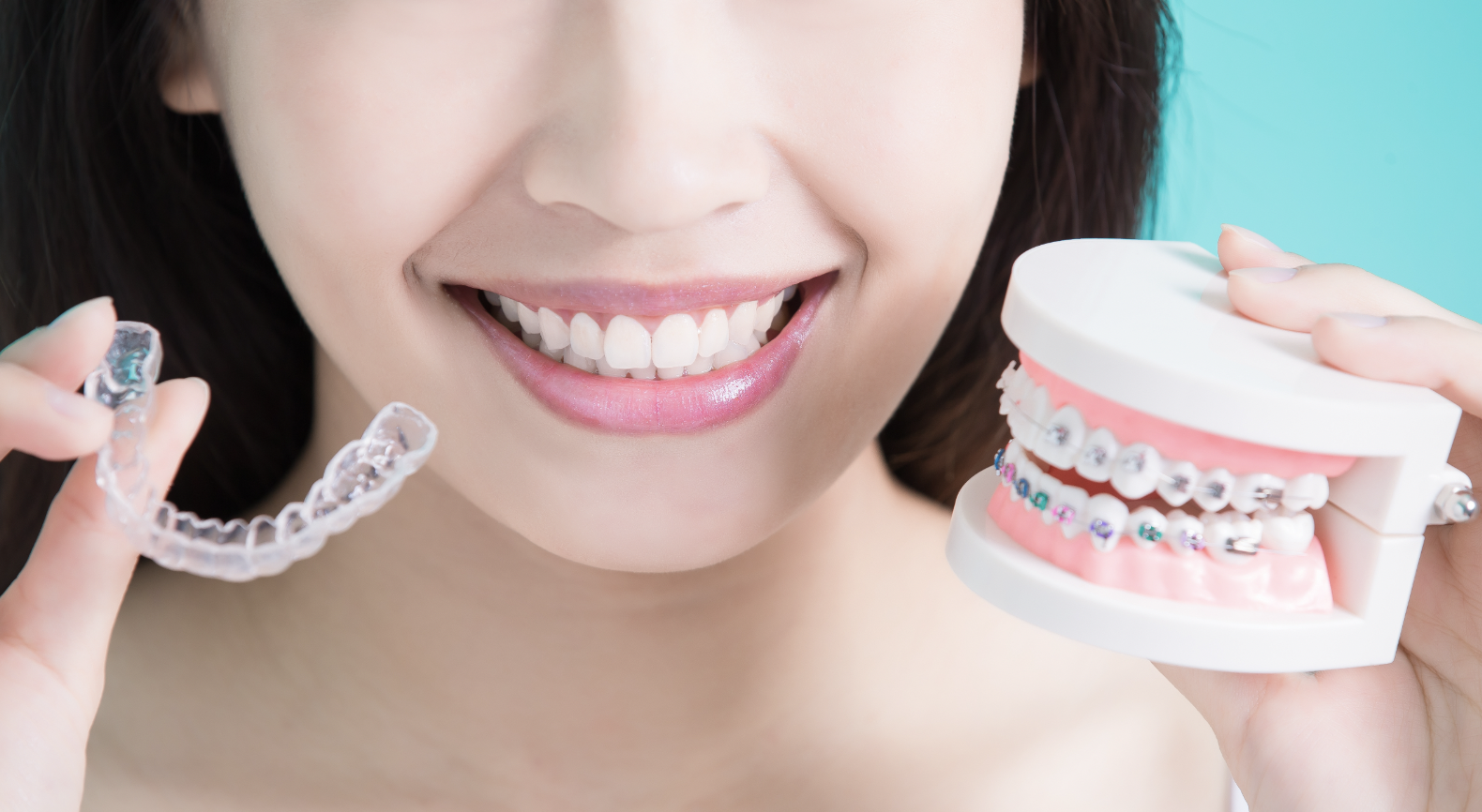
Orthodontic treatment options vary and include traditional braces, clear aligners, and functional appliances that guide jaw growth. The timing and choice of treatment depend on the child’s specific growth patterns and developmental needs. Some children benefit from early intervention, while others are better served by a period of observation until more permanent teeth have erupted.
The Distinct Value of Specialist Care
While general dentists provide essential routine services and manage common dental issues, specialists offer focused expertise for complex or growth-related concerns. Pediatric dentists excel in managing the behavioral and developmental aspects of children’s dental care, while orthodontists develop long term strategies to ensure proper alignment and function.
Choosing between a general dentist and a specialist depends on the child’s age, behavior, and specific dental needs. For many families, a collaborative approach where a general dentist handles routine care and specialists are consulted for specific issues proves highly effective. Early consultation with a specialist, however, can provide invaluable insight and prevent minor issues from escalating.
Recognizing When Specialized Care Is Needed
Early identification of potential problems allows for simpler, more effective solutions. Parents should be alert to the following signs that may indicate a need for specialized attention:
- Persistent mouth breathing or snoring during sleep
- Difficulty chewing certain foods or biting down comfortably
- Noticeably crooked, crowded, or widely spaced teeth
- Jaw joint clicking, popping sounds, or discomfort.
- Teeth that appear misaligned or do not fit together properly
- Prolonged habits like thumb or finger sucking beyond the toddler years
- Visible anxiety or fear associated with dental appointments
If any of these signs are present, seeking a professional evaluation early can lead to timely intervention and better long-term outcomes.
Guiding Your Child Through Dental Visits
Parents are the most influential figures in shaping a child’s attitude toward dental care. A few simple strategies can significantly reduce anxiety and encourage cooperation.
Before the Appointment
- Frame the visit positively using simple, reassuring language.
- Practice opening the mouth wide at home through play.
- Model calm behavior, as children often mirror parental emotions.
After the Appointment
- Adhere to any post treatment care instructions provided by the dentist.
- Maintain consistent daily brushing and flossing routines.
- Praise your child’s bravery and cooperation to build confidence for future visits.
By fostering a supportive and positive environment, parents help children view dental care as a normal and beneficial part of life, instilling habits that will serve them well into adulthood.
Selecting the Ideal Dental Professional for Your Child
Finding the right provider involves asking thoughtful questions and observing interactions. Keep these points in mind when deciding:
- What is your specific experience treating children of my child’s age?
- How do you approach dental anxiety or behavioral challenges?
- How frequently do you monitor a child’s growth and development?
- How do you involve parents in the decision making process for treatment plans?
Observing how your child responds during an initial consultation is also crucial. A strong sense of trust and comfort between the child, parent, and provider is fundamental to successful treatment and long term oral health.
Conclusion
Investing in specialized pediatric and orthodontic care is an investment in a child’s lifelong well being. This integrated approach supports natural growth, improves oral function, and builds self confidence. By addressing developmental needs early and with expert guidance, parents can prevent complex issues and ensure their child’s smile remains healthy and vibrant. With thoughtful provider selection and a commitment to positive dental experiences, you lay the groundwork for a future filled with confident, enduring smiles.