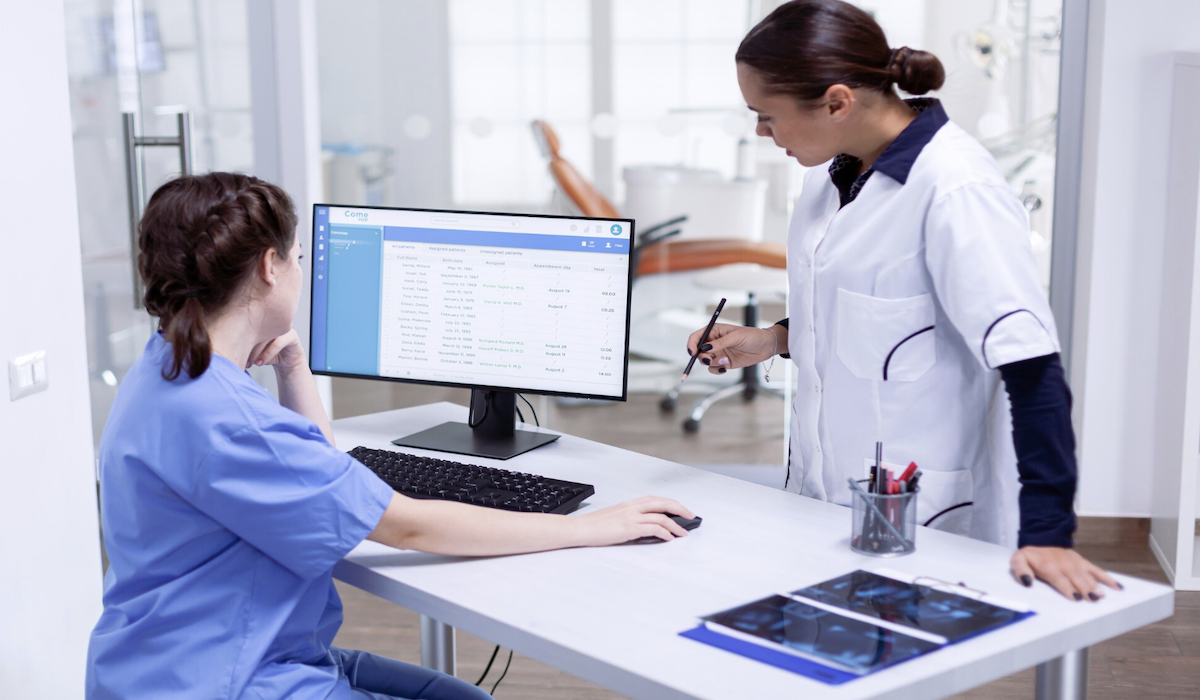
The healthcare world is rapidly evolving, powered by technology that keeps hospitals running safely, efficiently, and with precision. Among the innovations making the biggest impact is the seamless integration of barcode scanning technology with Electronic Health Records (EHRs) a partnership that is quietly revolutionizing patient care.
While this integration may happen behind the scenes, its impact is visible everywhere: fewer medical errors, faster workflows, better documentation, and safer outcomes for patients.
How Barcodes and EHRs Work Together to Improve Patient Care
Most people think barcodes are limited to retail checkout lanes, but in clinical environments, they serve a far more critical purpose. Barcodes appear on:
- Patient ID wristbands
- Medication containers
- Laboratory samples
- Medical supply packaging
A quick scan retrieves essential, real time information instantly.
EHRs, on the other hand, store everything about a patient’s medical history from allergies and diagnoses to lab results and medication lists.
When barcode data connects directly to an EHR system, every scan becomes a real time update. This eliminates manual errors, strengthens accuracy, and saves medical teams countless hours.
Why Barcode EHR Integration Is Transforming Healthcare
1. A Powerful Defense Against Medication Mistakes
Picture a nurse preparing to give a patient their medication. By scanning the patient’s wristband and the medication barcode, the system immediately checks:
- Whether it’s the correct medicine
- Whether the dosage matches the prescription
- Whether the patient has allergies
- Whether the medication could interact negatively with others
This automated safeguard dramatically reduces the risk of medication errors, with some hospitals seeing reductions of up to 50%.
2. Enhanced Safety Across Every Department
Barcode EHR integration acts as an automated safety net:
- Lab scans prevent sample misidentification
- Blood units are verified before transfusion
- Supply tracking ensures essential items are always available
Human error will always exist technology simply prevents it from reaching the patient.
3. Faster Workflows and Less Administrative Burden
Documentation is one of the biggest time consumers in healthcare. With barcode EHR integration:
- Patient charts update instantly
- Nurses spend less time typing and more time caring
- Hospital workflows from pharmacy to lab to admissions become more efficient
The result? Better patient care and reduced staff burnout.
Real Examples of Integration Improving Care
Healthcare providers such as Mercy Health have seen remarkable improvements after implementing barcode EHR systems. One scan can instantly:
- Update patient medical records
- Adjust inventory counts
- Track order history
- Improve supply chain accuracy
These improvements also make compliance with healthcare standards smoother and reduce the risk of documentation errors during audits.
Barriers to Integration and How to Overcome Them
Transitioning to a barcode enhanced EHR system isn’t always simple. Common challenges include:
- Legacy systems that struggle to integrate
- Upfront investment in scanners and software
- Staff training and workflow adjustments
The solution lies in choosing flexible, healthcare ready devices such as disinfectant resistant scanners from Code, designed specifically for clinical environments. Equally important is involving nurses, pharmacists, and frontline teams early in the planning process to ensure the new system supports real world workflows.
What’s Next: The Future of Connected Healthcare
Barcode EHR integration marks just the beginning of a much smarter, interconnected healthcare ecosystem. Emerging advancements include:
- AI powered error detection, predicting issues before they occur
- Mobile scanning, allowing clinicians to update EHRs from handheld devices
- Integrated telehealth and wearables, feeding real time patient data directly into EHRs
- Remote monitoring tools, improving continuity of care outside hospital walls
Together, these advancements deliver a more coordinated and patient centered healthcare experience.
Final Thoughts: Why Barcode EHR Integration Matters
Integrating barcodes with Electronic Health Records is more than a technological upgrade it’s a foundational shift toward:
- Safer hospitals
- Error free workflows
- Smarter resource use
- More reliable patient outcomes
It strengthens the entire care system, empowers healthcare professionals, and creates a more efficient environment for both staff and patients.
Hospitals looking to modernize their workflows should view barcode EHR integration as essential. With trusted partners like Code, healthcare organizations can adopt secure, seamless scanning solutions designed to integrate with leading EHR systems ushering in a future where healthcare is not only smarter, but safer for everyone.