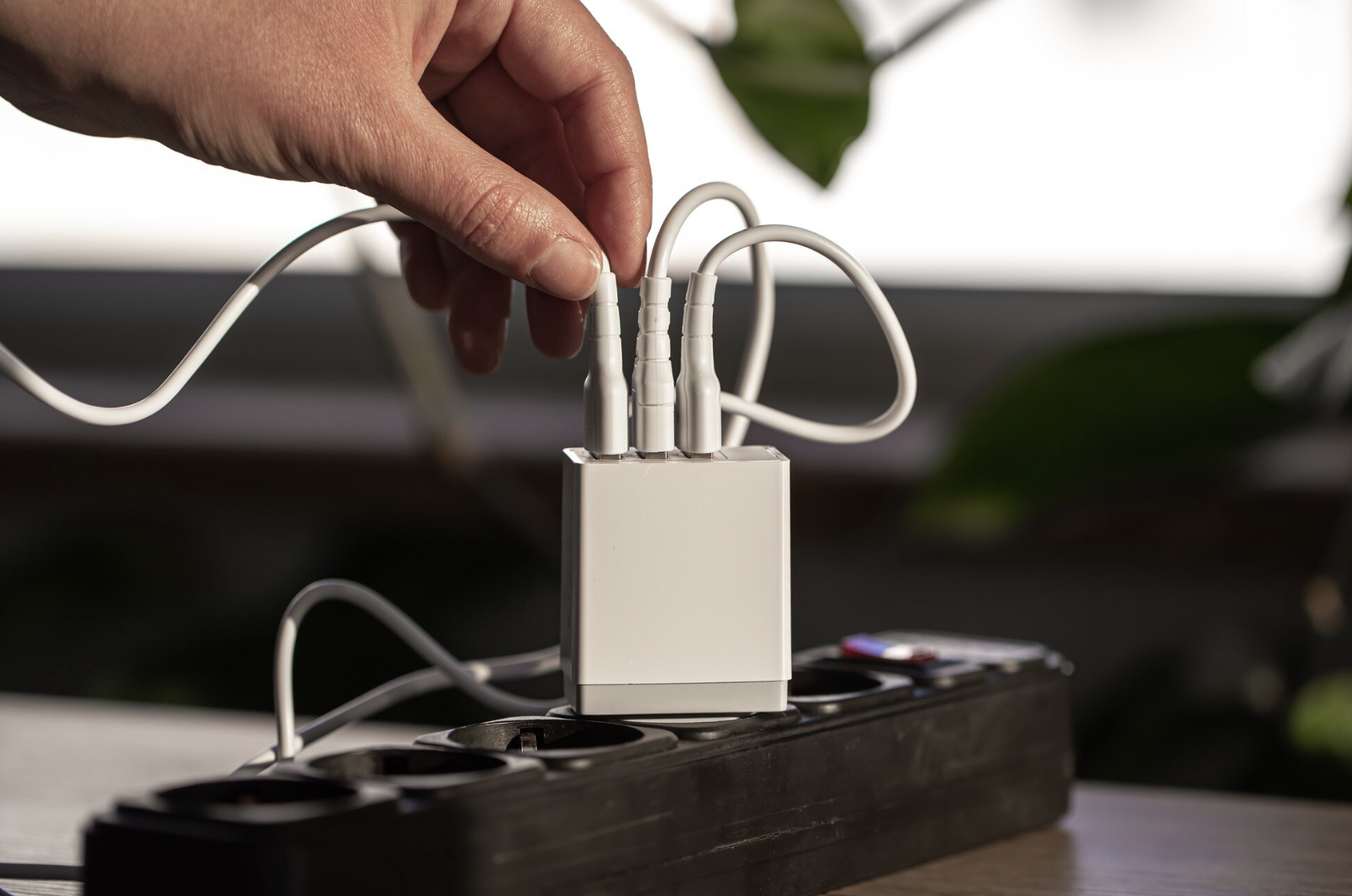
Modern life depends on multiple digital devices. However, cable clutter continues growing every year. As a result, users demand simpler charging solutions. Fortunately, USB C emerged as a universal answer. Moreover, this standard transforms how devices connect, charge, and transfer data. Therefore, many users now question older chargers relevance. Ultimately, USB C promises one cable convenience across devices.
Understanding USB C Technology
USB C stands for Universal Serial Bus Type C. Unlike earlier connectors, it features a compact and symmetrical design. Consequently, plugging becomes effortless every time. Additionally, USB C supports both power and data through one port. As technology advances, manufacturers increasingly adopt this standard. Hence, USB C now dominates smartphones, laptops, and accessories.
Reversible Design Improves Daily Use
Traditional connectors caused frequent frustration. Meanwhile, USB C eliminates incorrect insertion completely. Because the connector is reversible, wear reduces significantly. Furthermore, ports last longer under daily usage. As a result, devices maintain reliability. This improvement alone changes everyday interactions.
High Power Delivery Replaces Bulky Adapters
USB C Power Delivery supports up to 240 watts. Therefore, one charger can power laptops, tablets, and phones. Previously, each device required a unique brick. Now, a single USB C charger handles demanding hardware. Moreover, fast charging becomes consistent across brands. Consequently, travel becomes lighter and simpler.
Faster Data Transfer Enhances Productivity
Speed matters in modern workflows. USB C supports data rates up to 10Gbps. Additionally, Thunderbolt over USB C reaches 40Gbps. Thus, large files move within seconds. Photographers, editors, and developers benefit greatly. Meanwhile, wireless solutions cannot match these speeds.
USB C vs Legacy Charging Standards
Older USB A ports appear bulky today. In contrast, USB C fits slim modern designs. Micro USB connectors break easily over time. Meanwhile, USB C offers stronger durability. Apple’s Lightning remains proprietary and limited. However, USB C encourages universal compatibility. Even wireless chargers still rely on USB C power input.
One Cable for Multiple Devices
USB C simplifies everyday setups dramatically. For example, one cable charges a phone and laptop. Additionally, the same cable connects monitors and storage. Therefore, desks stay clean and organized. Travelers especially appreciate this flexibility. Consequently, cable management becomes effortless.
Faster Charging Saves Valuable Time
Most USB C devices support fast charging. As a result, batteries reach 50 percent quickly. Laptops also charge faster than before. Moreover, charging efficiency improves across brands. Therefore, productivity increases during busy schedules.
Future Ready and Industry Approved
Global manufacturers continue adopting USB C rapidly. Meanwhile, regulatory bodies endorse it as a standard. Therefore, long term compatibility remains assured. Investing in USB C avoids frequent replacements. Ultimately, users stay prepared for future devices.
Environmental Benefits of USB C Adoption
E waste remains a global concern. However, USB C reduces unnecessary accessories. Fewer chargers mean less electronic waste. Additionally, shared chargers extend product lifecycles. Consequently, sustainability improves through standardization.
Practical Real World Applications
Remote professionals use USB C daily. For instance, designers connect laptops to displays instantly. Photographers transfer images and recharge devices simultaneously. Travelers pack one charger for all essentials. Therefore, USB C enhances mobility and efficiency everywhere.
Limitations Worth Considering
Despite benefits, challenges still exist. Older Apple devices lack native USB C support. Some gaming laptops require proprietary adapters. Additionally, high wattage chargers cost more initially. However, long term savings outweigh upfront expenses.
Cable Quality Affects Performance
Not all USB C cables perform equally. Low quality cables limit charging speed. Moreover, uncertified products risk overheating. Therefore, certified cables remain essential. Choosing quality ensures safety and performance.
Is USB C the Final Answer?
USB C continues redefining connectivity standards. Although minor hurdles remain, adoption keeps accelerating. Consequently, older chargers lose relevance quickly. One universal cable now handles power and data seamlessly. Ultimately, USB C simplifies digital life significantly.
The End of Charging Chaos
USB C represents more than a connector. Instead, it symbolizes efficiency, speed, and sustainability. As adoption spreads, clutter disappears gradually. Therefore, switching feels inevitable rather than optional. One charger truly powers everything now.