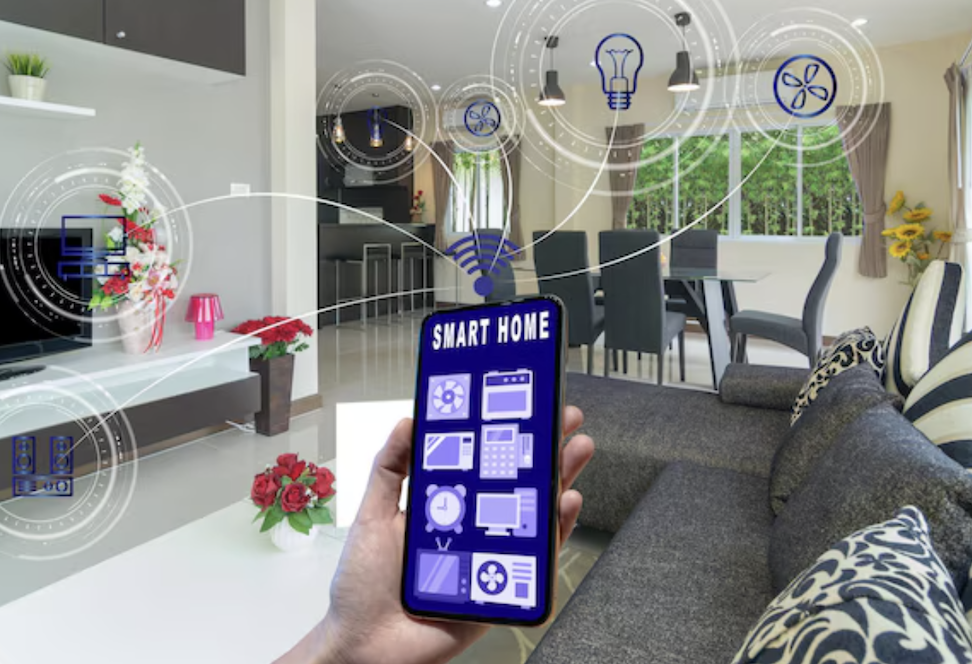
Technology is reshaping the way we live, and one of the most powerful examples is the rise of smart homes. Today, smart homes automate household tasks, making daily life more comfortable, efficient, and secure. From controlling lights with a voice command to automating cleaning schedules, smart home technology is no longer a luxury; it is quickly becoming a modern necessity.
This article explores how smart homes automate household tasks, the technologies behind them, and why they are transforming homes across the world.
What Is a Smart Home?
A smart home is a living space equipped with connected devices that can be controlled remotely or operate automatically. These devices use the internet, sensors, and artificial intelligence to perform tasks with minimal human input.
When smart homes automate household tasks, they reduce manual effort and create a seamless living experience. Everything works together through a central system, such as a mobile app or voice assistant.
How Smart Homes Automate Household Tasks
1. Automated Lighting Systems
Smart lighting is one of the most common smart home features. Lights can turn on or off automatically based on time, motion, or natural daylight.
Benefits include:
- Reduced energy consumption
- Hands free control
- Custom lighting schedules
Smart homes automate household tasks like lighting so residents no longer worry about leaving lights on unnecessarily.
2. Smart Climate Control
Smart thermostats learn your habits and adjust temperature settings automatically. They ensure comfort while saving energy.
Key advantages:
- Automatic temperature adjustments
- Remote control via smartphone
- Lower utility bills
This automation keeps homes comfortable without constant manual changes.
3. Intelligent Home Security
Security is a major reason people adopt smart home technology. Smart locks, cameras, and alarm systems work together to protect the home.
Security automation includes:
- Motion detection alerts
- Auto locking doors
- Real time video monitoring
When smart homes automate household tasks related to security, they provide peace of mind around the clock.
4. Smart Cleaning Solutions
Robotic vacuum cleaners and mops have changed home maintenance. These devices clean floors automatically and return to their charging stations when finished.
Why this matters:
- Saves time
- Requires minimal supervision
- Works on scheduled routines
Smart homes automate household tasks like cleaning, allowing homeowners to focus on more important activities.
5. Kitchen and Appliance Automation
Smart kitchens are becoming more common. Everyday appliances, from refrigerators to ovens and even coffee machines, are now equipped with smart, intelligent features.
Examples include:
- Ovens that preheat automatically
- Refrigerators that track groceries
- Coffee makers that start brewing on schedule
Automation in the kitchen improves efficiency and reduces daily stress.
6. Voice-Controlled Assistants
Voice assistants act as the control center of a smart home. They connect multiple devices and execute commands instantly.
Popular uses include:
- Managing daily schedules
- Controlling smart devices
- Answering questions and reminders
Voice control makes it easier than ever to manage automated household tasks.
Key Technologies Behind Smart Homes
Smart homes rely on several advanced technologies to function smoothly.
Internet of Things (IoT)
The Internet of Things allows interconnected devices to collect, transmit, and act on data in real time.
Artificial Intelligence (AI)
AI helps smart systems learn user behavior and improve automation over time.
Sensors and Automation Rules
Motion, temperature, and light sensors trigger actions automatically.
Together, these technologies ensure that smart homes automate household tasks efficiently and accurately.
Benefits of Smart Home Automation
1. Time Savings
Automation handles repetitive tasks, freeing up valuable time.
2. Energy Efficiency
Smart systems reduce waste by using resources only when needed.
3. Improved Comfort
Homes adapt to user preferences automatically.
4. Enhanced Safety
Automated security systems provide constant protection.
5. Better Lifestyle Balance
Smart homes automate household tasks so residents can focus on work, family, and relaxation.
Challenges and Considerations
While smart homes offer many advantages, there are a few factors to consider:
- Initial setup costs
- Internet dependency
- Data privacy concerns
However, with proper planning and secure systems, these challenges can be managed effectively.
The Future of Smart Home Automation
The future of smart living is promising. As technology evolves, smart homes will become more intuitive and affordable. Automation will expand into areas such as health monitoring, predictive maintenance, and fully autonomous homes.
Soon, smart homes automate household tasks not just for convenience, but to enhance overall quality of life.
Conclusion
Smart home technology is transforming modern living. By integrating connected devices, intelligent systems, and automation, smart homes automate household tasks in ways that save time, improve comfort, and increase security.
As adoption continues to grow, smart homes will become the standard rather than the exception. Embracing this technology today means stepping into a smarter, more efficient future.